
Best for
First-time safari, families, couples and photographers
Best time
Jun – Oct (dry season); Jan – Mar (second dry window)
Capital
Nairobi
Languages
English, Swahili
Currency
Kenyan Shilling (KES)
From the Great Migration in the Maasai Mara to the wild beauty of Amboseli and the white sands of the Indian Ocean, Kenya offers the world's most iconic safari experiences in one extraordinary destination.
Kenya is where the modern safari began, and it remains the benchmark for wildlife viewing, luxury wilderness and authentic cultural encounters. Endless plains meet towering peaks, flamingo-filled lakes and volcanic craters, and the traditions of the Maasai and Samburu run through all of it.
What lifts a Kenyan safari beyond the expected is the exclusivity of its private conservancies — protected land where wildlife thrives, crowds are kept at bay, and night drives, walking safaris and horseback rides are all on the table.
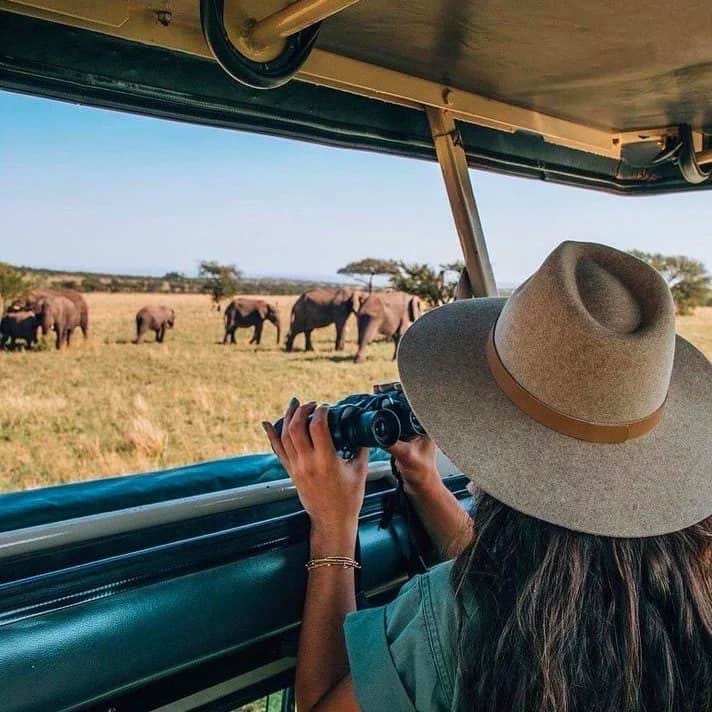
The Great Migration in the Mara, big cats in numbers, and elephants beneath Kilimanjaro.
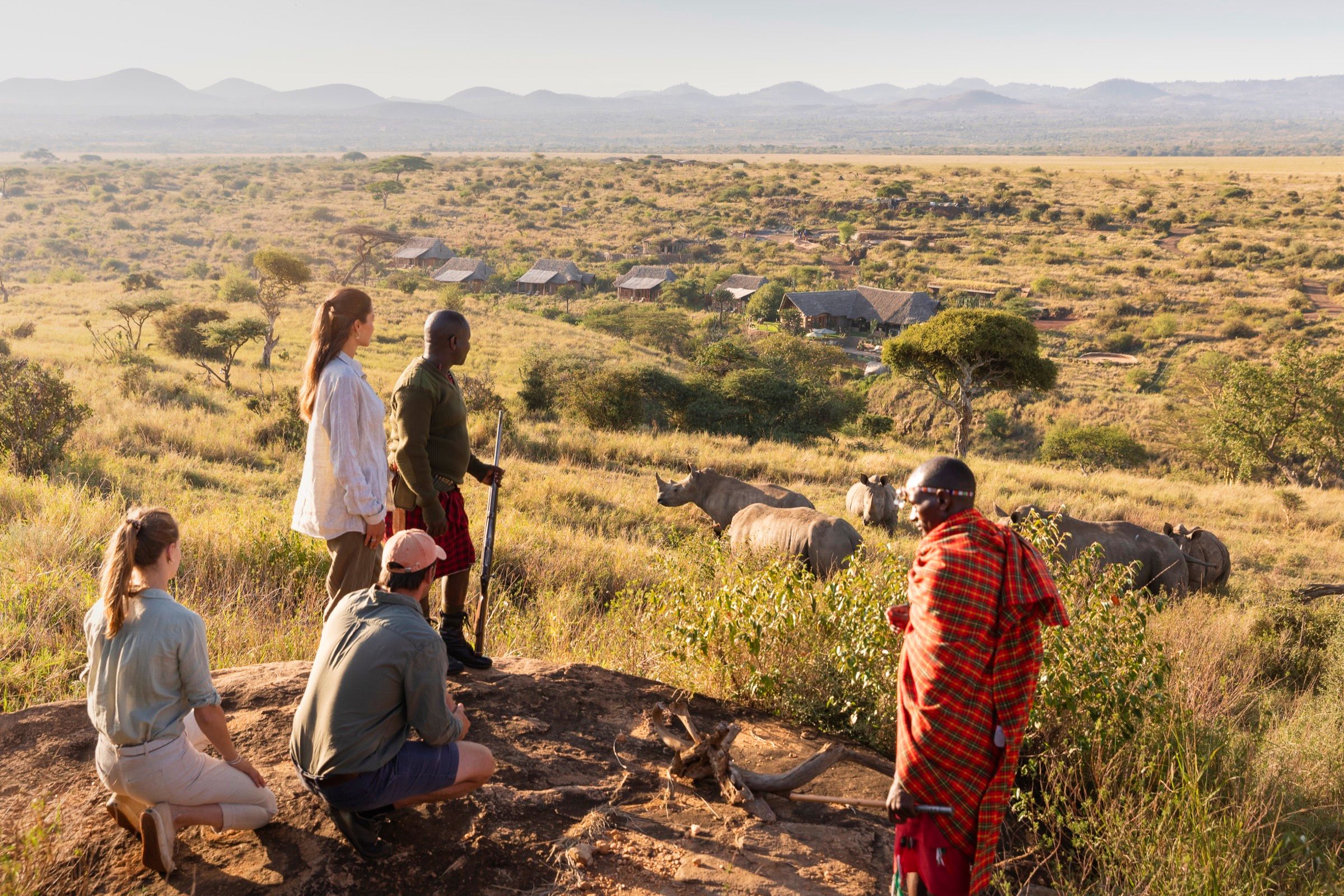
Low vehicle density, off-road access and revenue that reaches the communities who own the land.
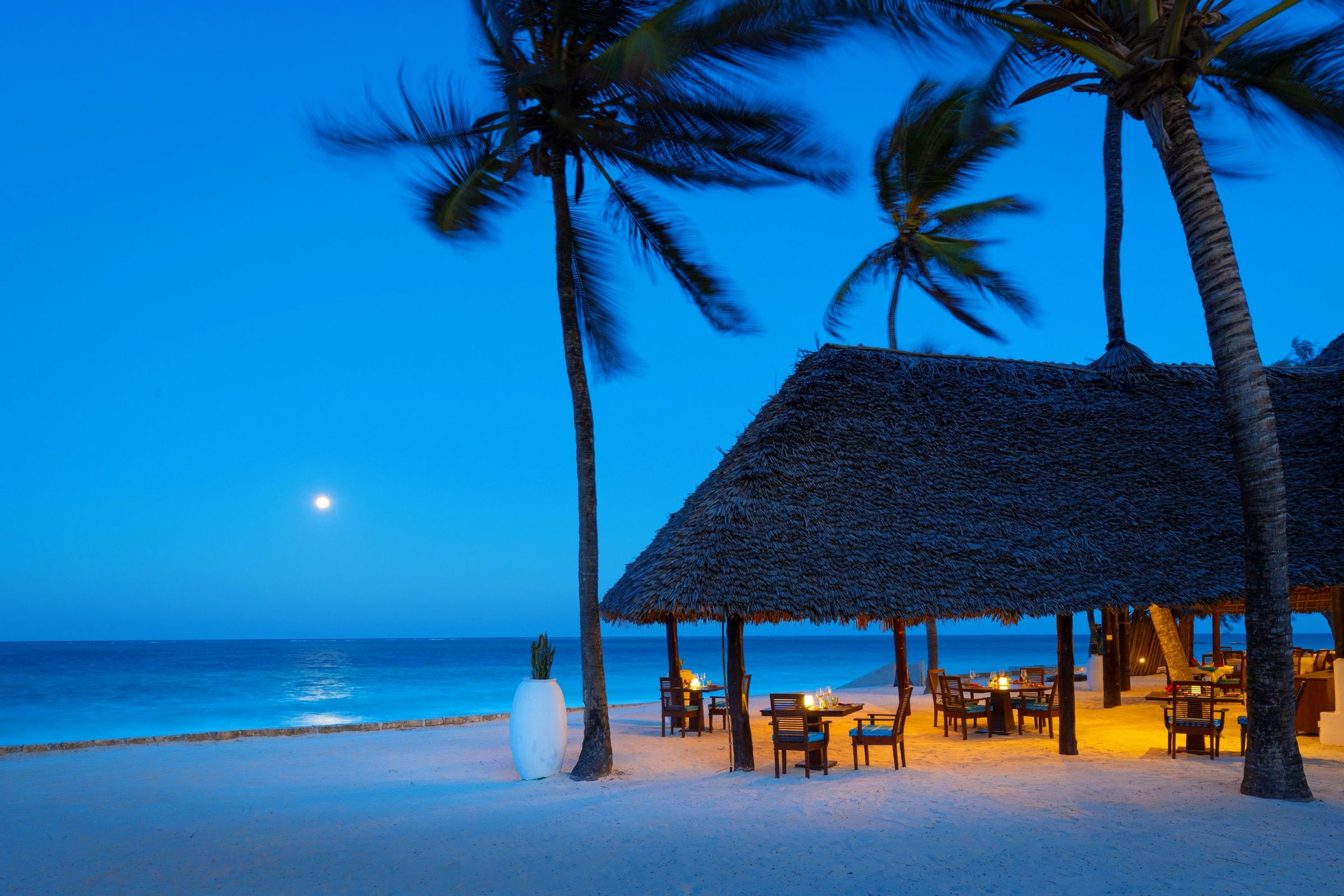
Finish a safari on the Indian Ocean — Diani's white sand or the slower rhythm of Lamu.
“Kenya is where every kind of traveller finds their safari. The variety is unmatched — dramatic landscapes, extraordinary wildlife and real cultural depth. The conservancies give you exclusivity and impact at the same time, and the coast makes it easy to end on a slower note.”
Our View
Out2Safari Safari Expert
Where to go
Each region of Kenya offers a different safari. Open one to see what it's like on the ground.
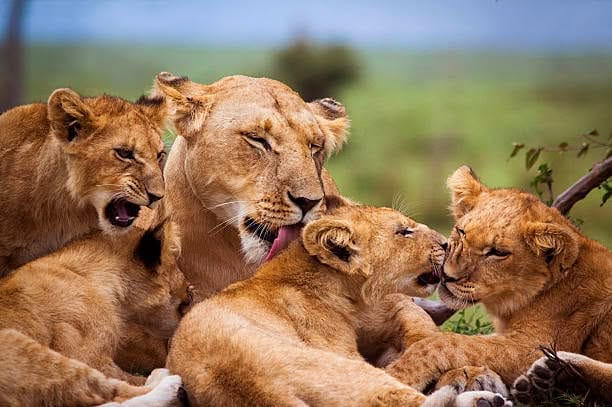
Big Cats and Open Horizons
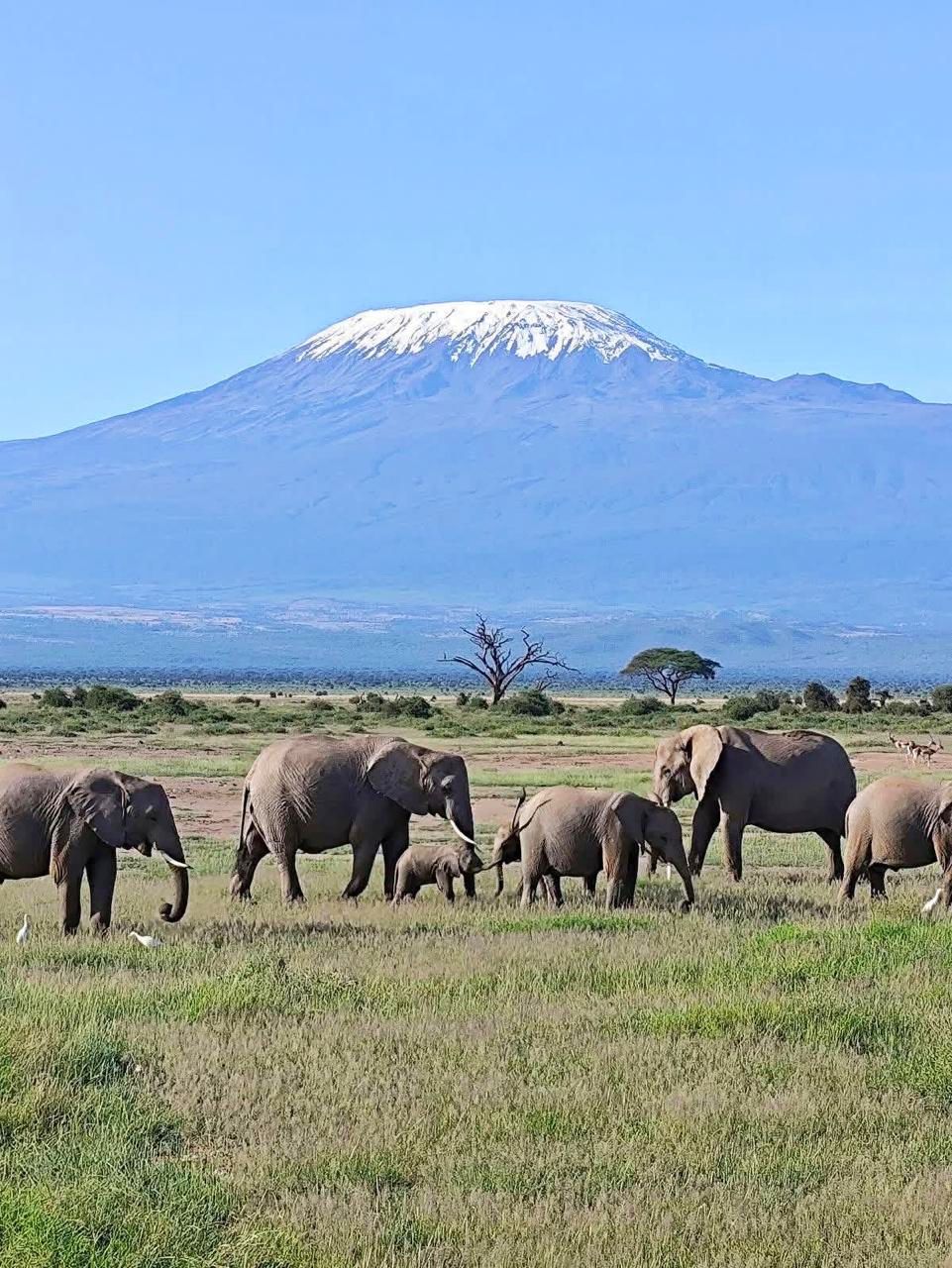
Elephants Beneath Kilimanjaro
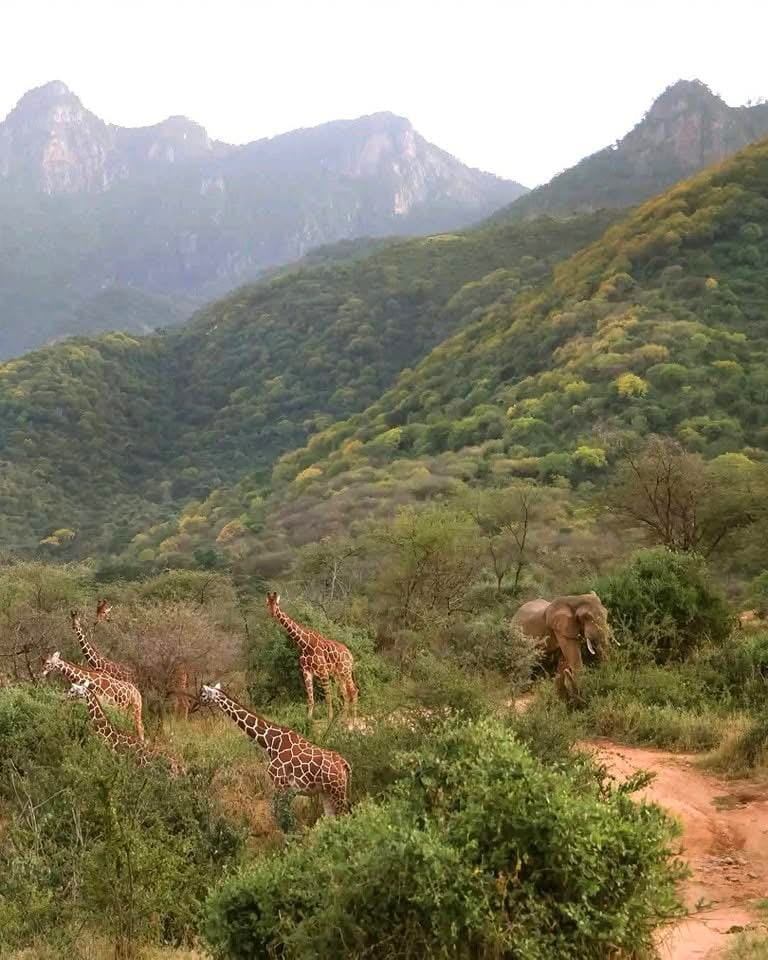
The Wild and Rare North
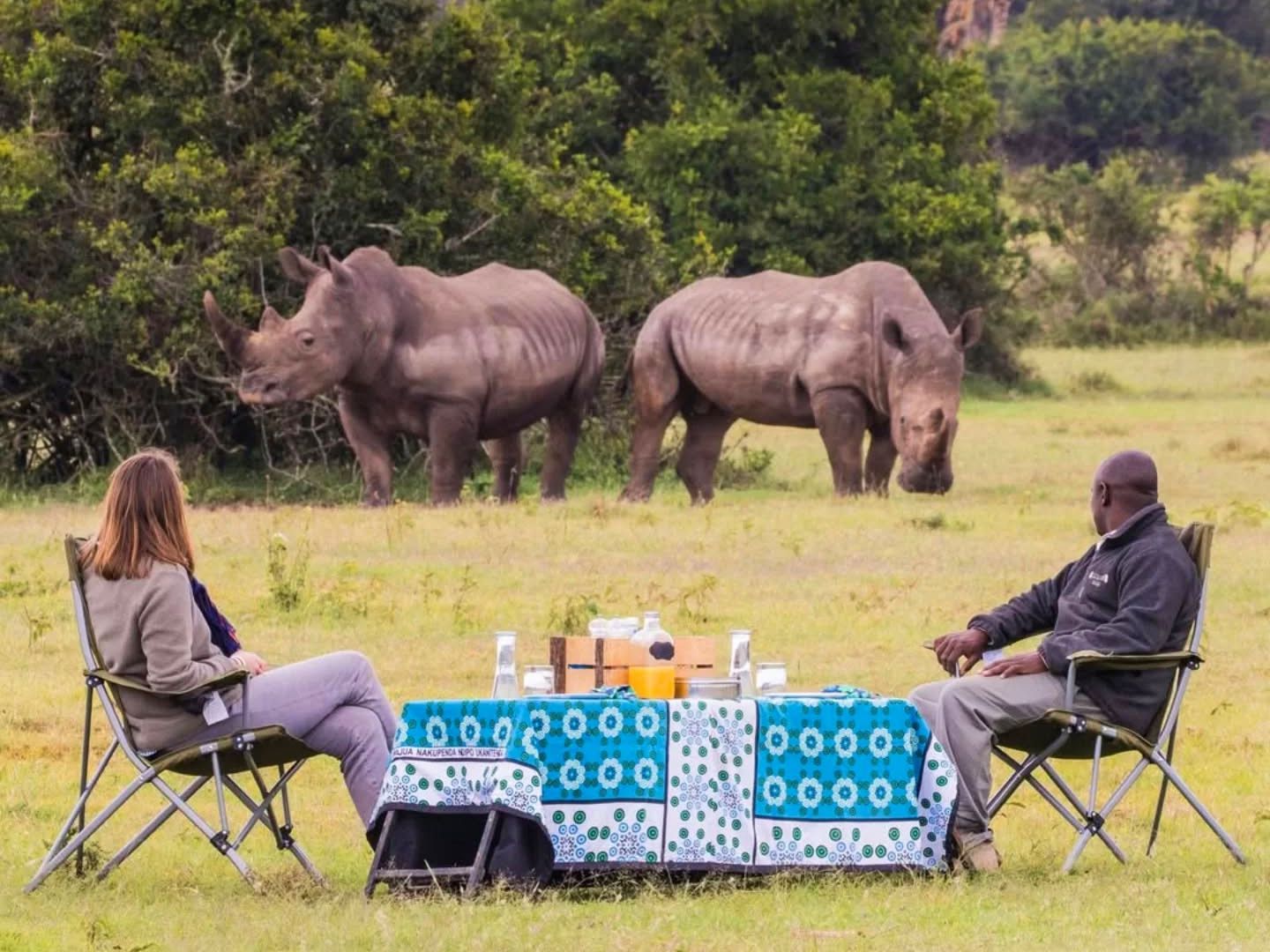
Conservation on a Grand Scale
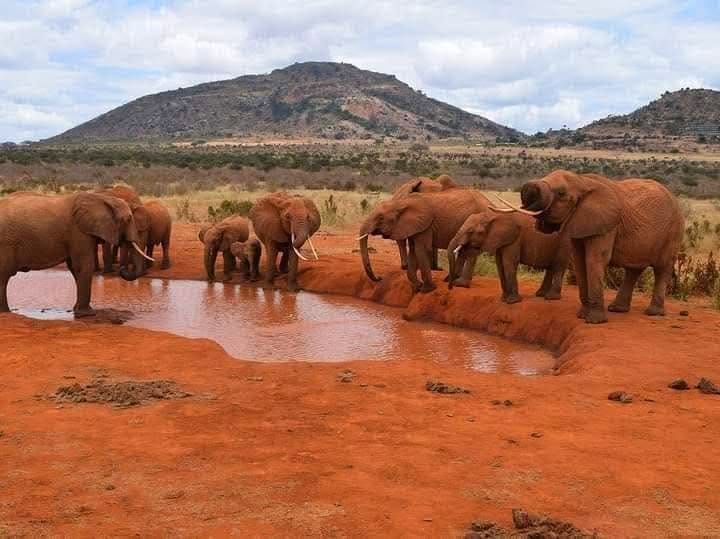
Red Earth and Untamed Space
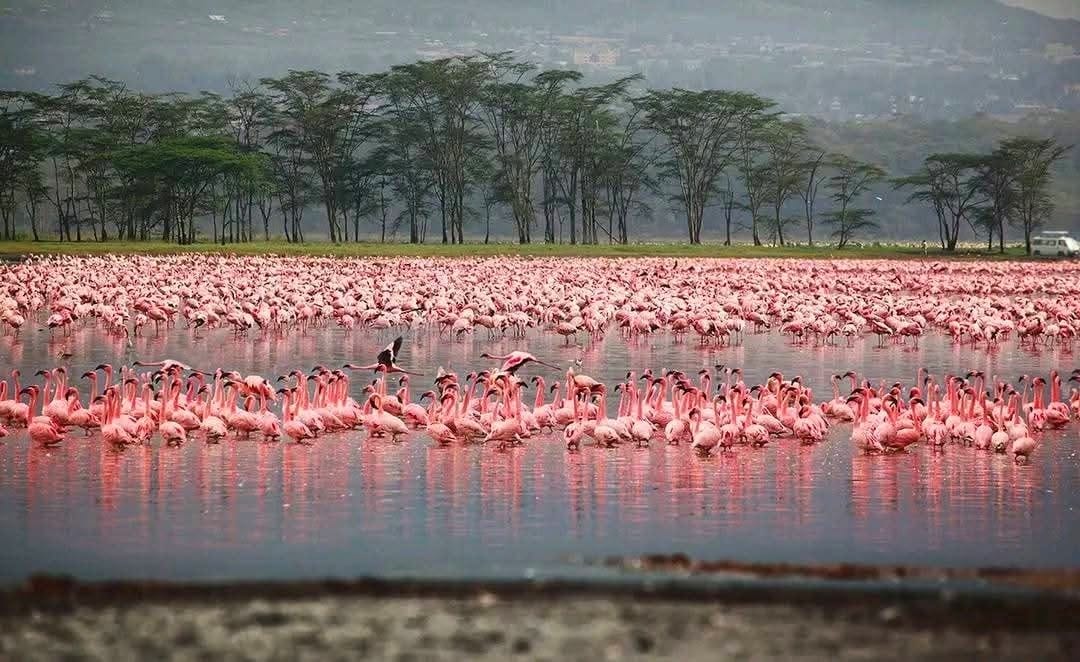
Flamingos, Rhino and Rift Valley Light
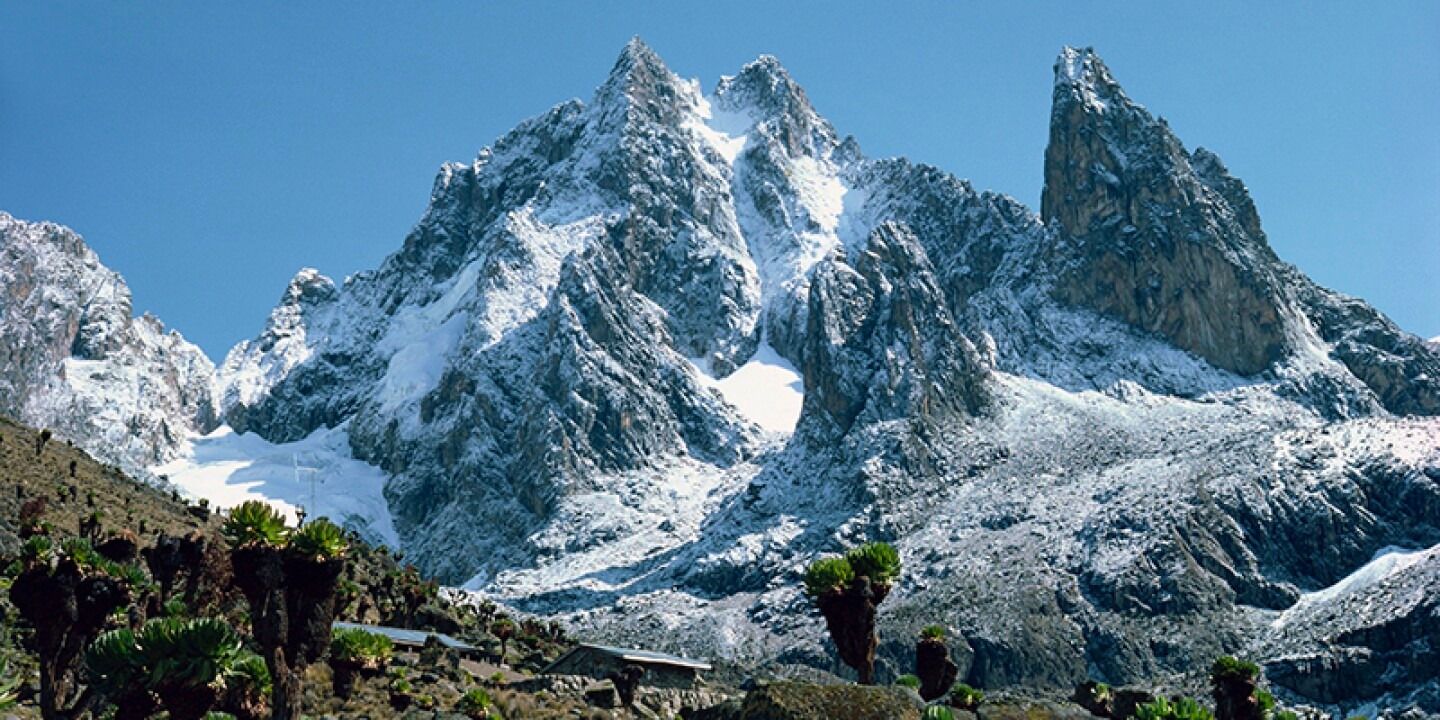
High Country, Forest and Tradition
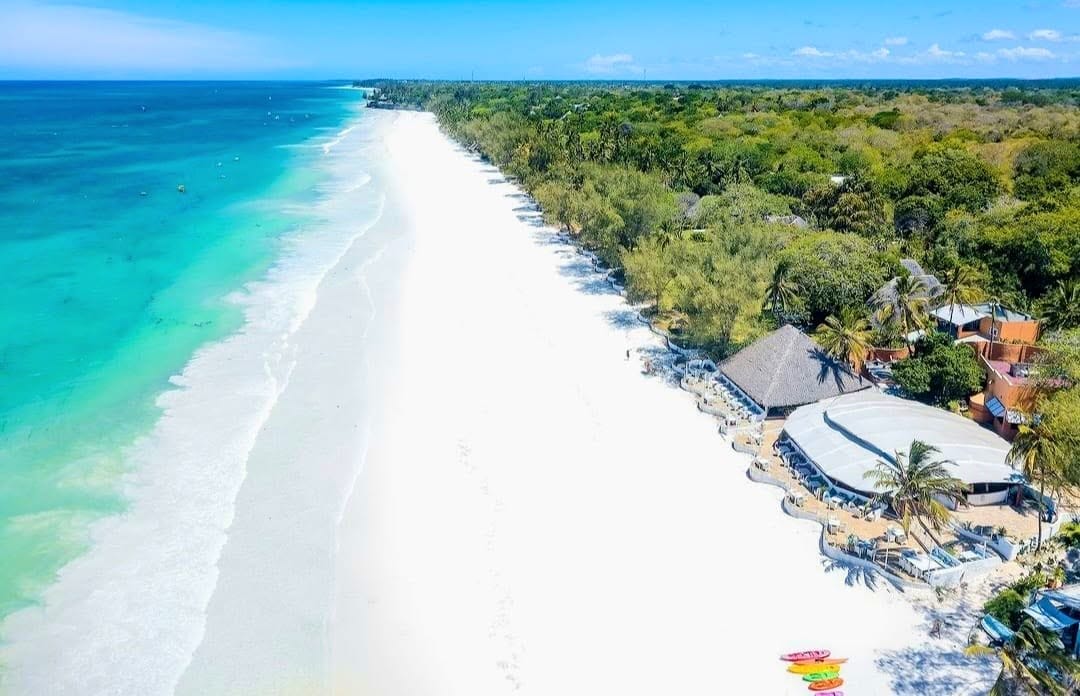
Where the Safari Meets the Ocean
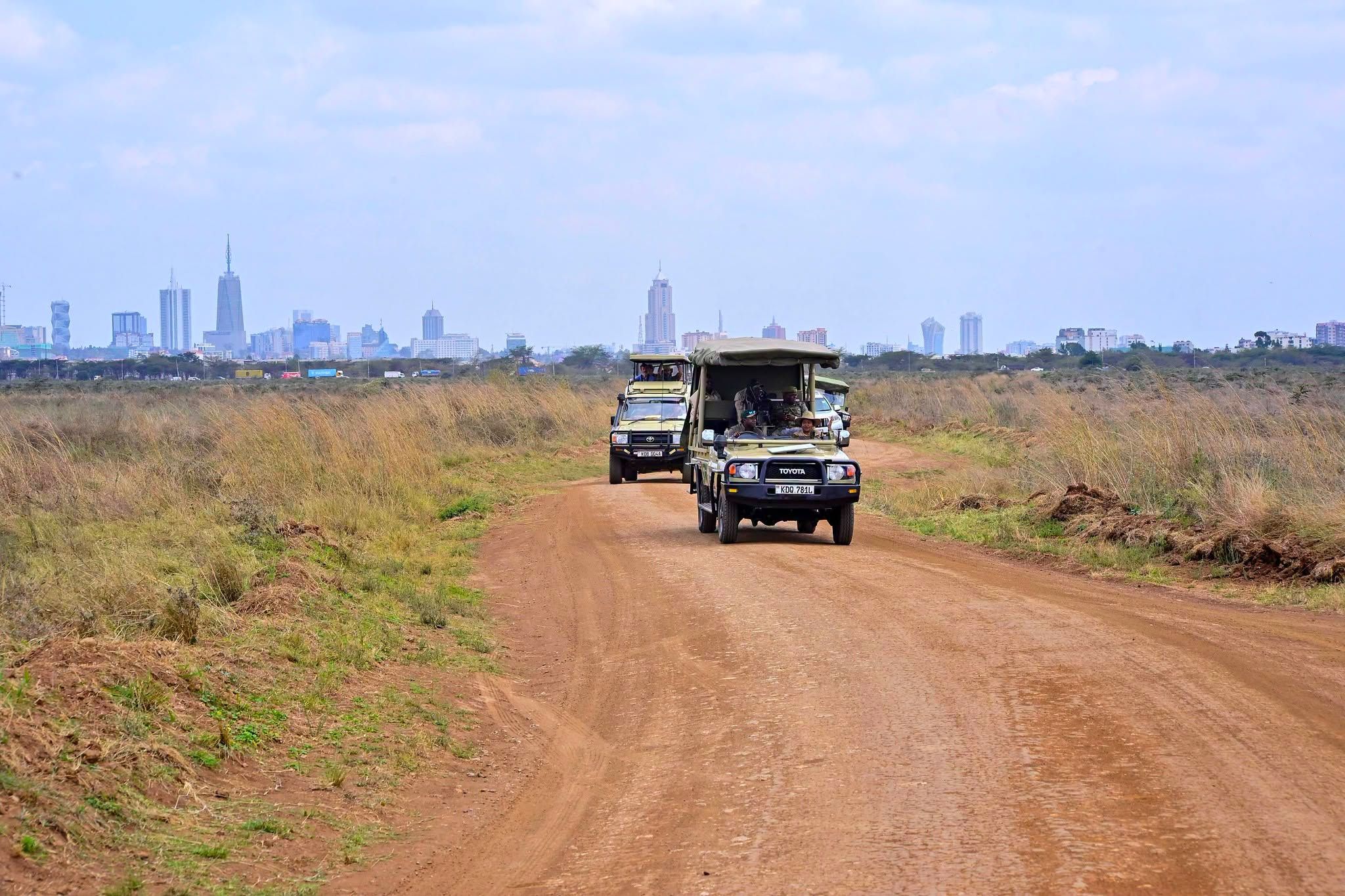
Kenya's Wild Capital
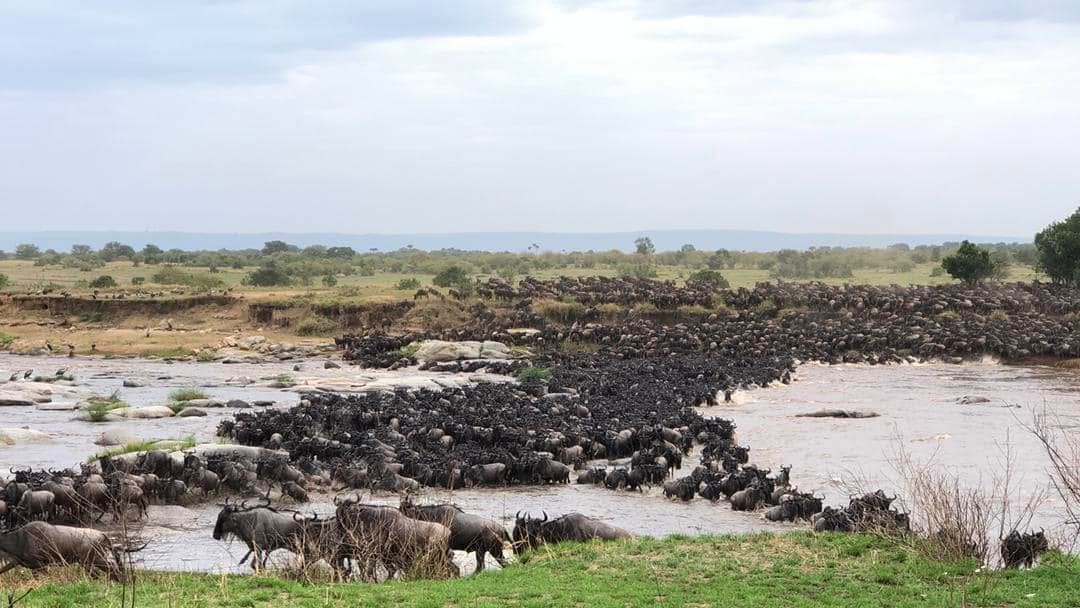
Great Migration
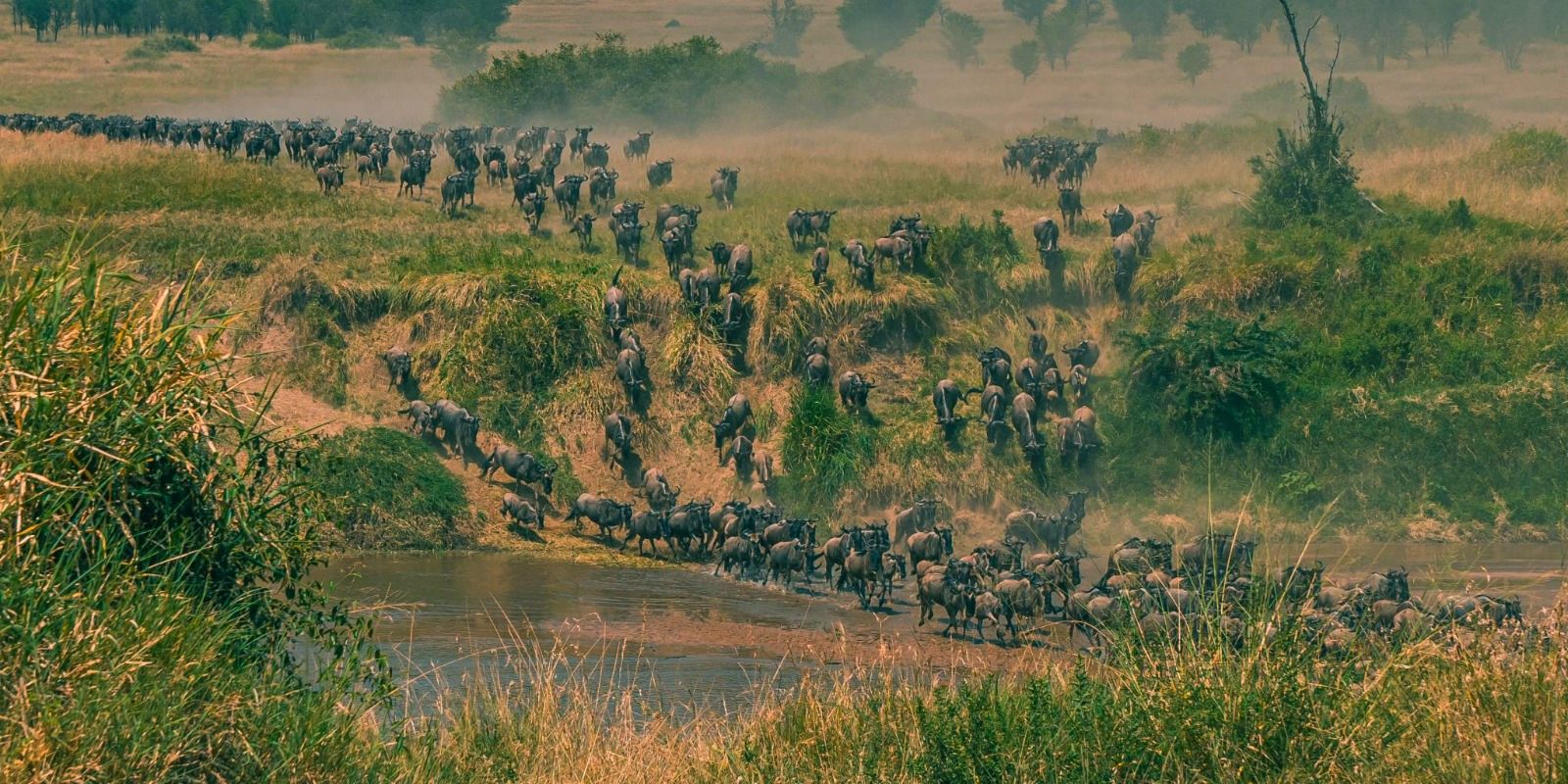
Wildebeest and zebra on the move through the Maasai Mara.
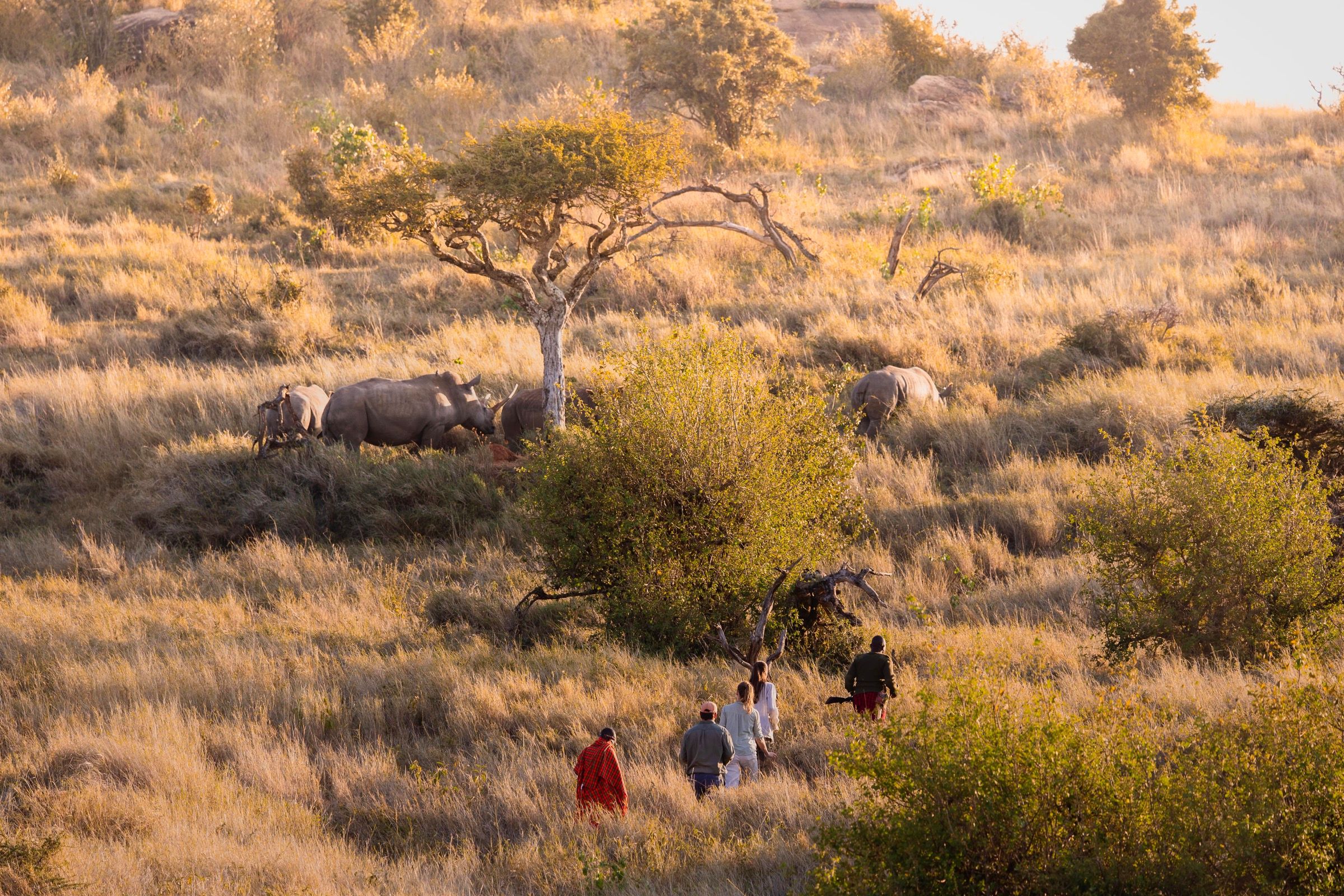
Rhino tracking→
Track rhino on foot in private conservancies with expert guides.
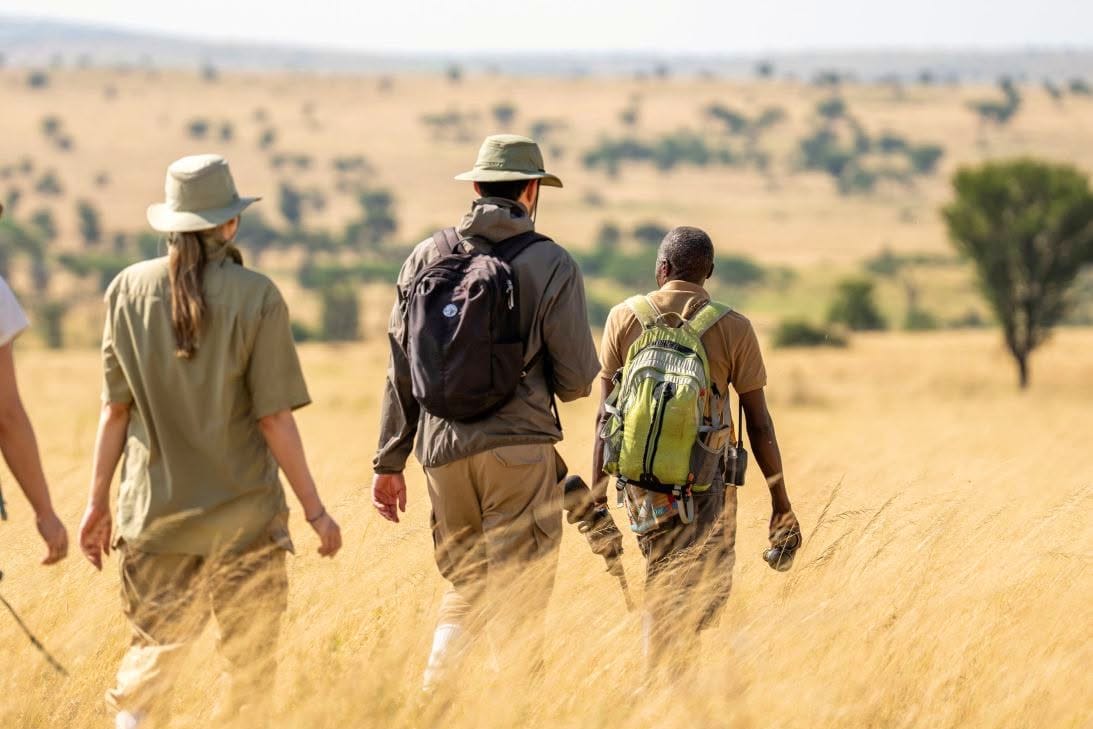
Walking safari→
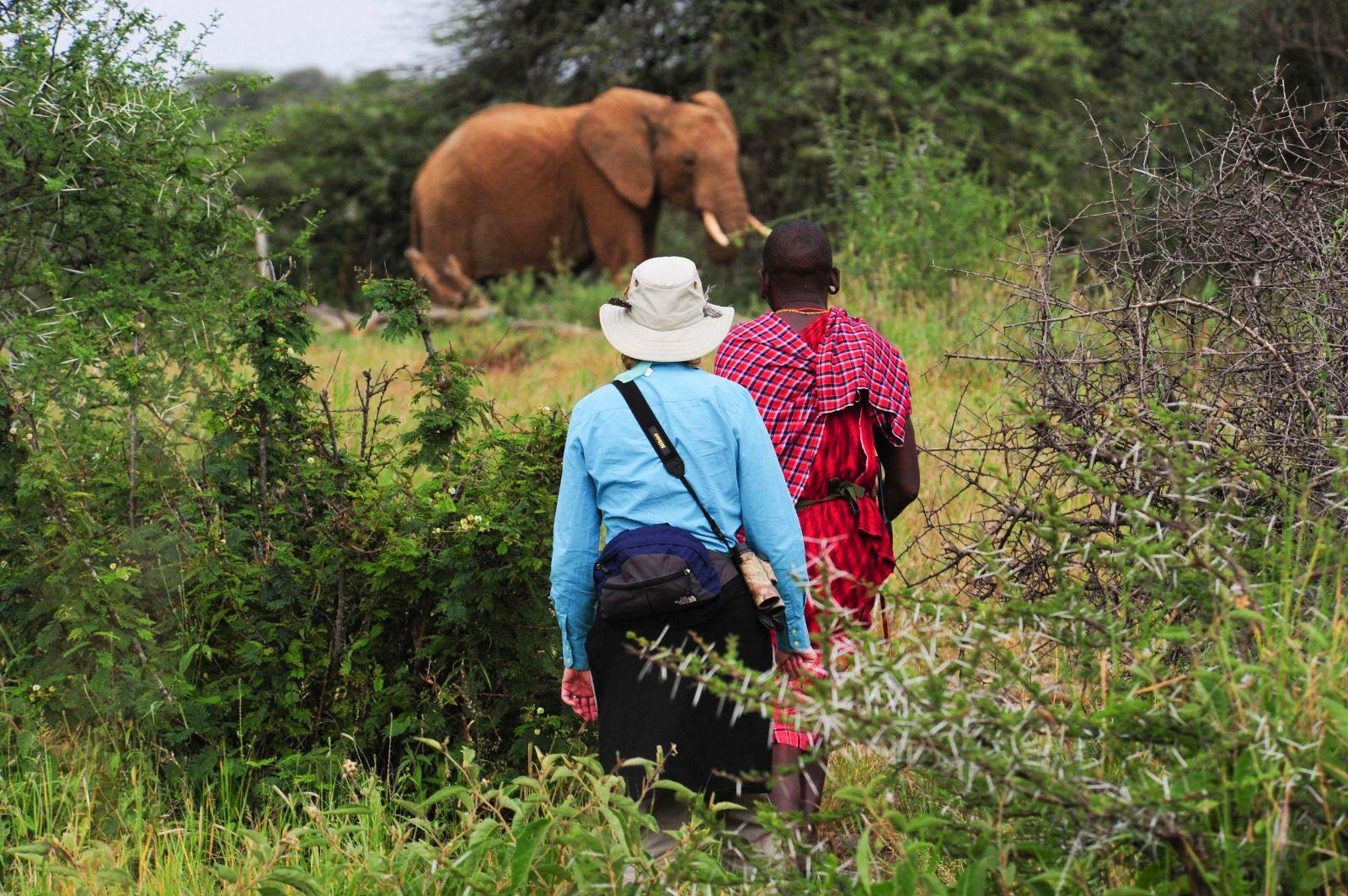
The bush at ground level, led by guides who grew up in it.
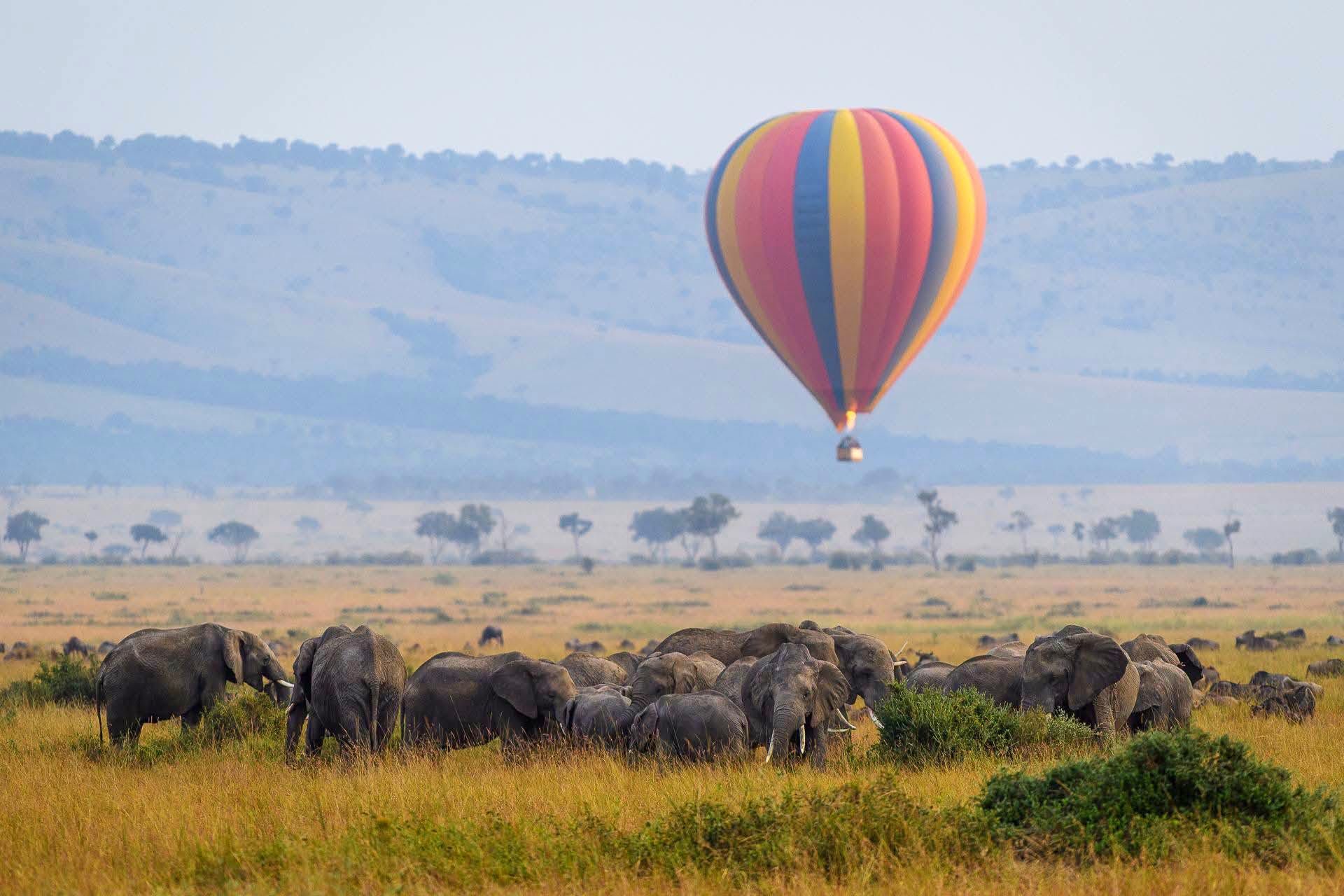
Hot-air balloon safari→
Sunrise over the Mara, then breakfast on the plains.
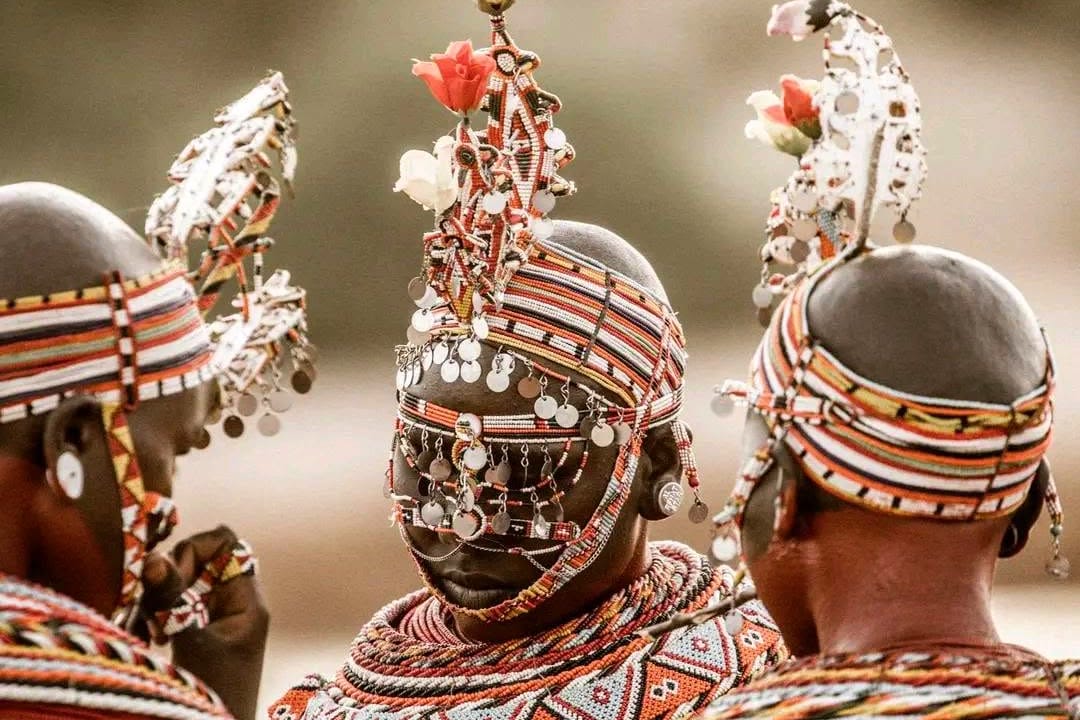
Cultural visits→
Time with Maasai and Samburu communities, on their terms.
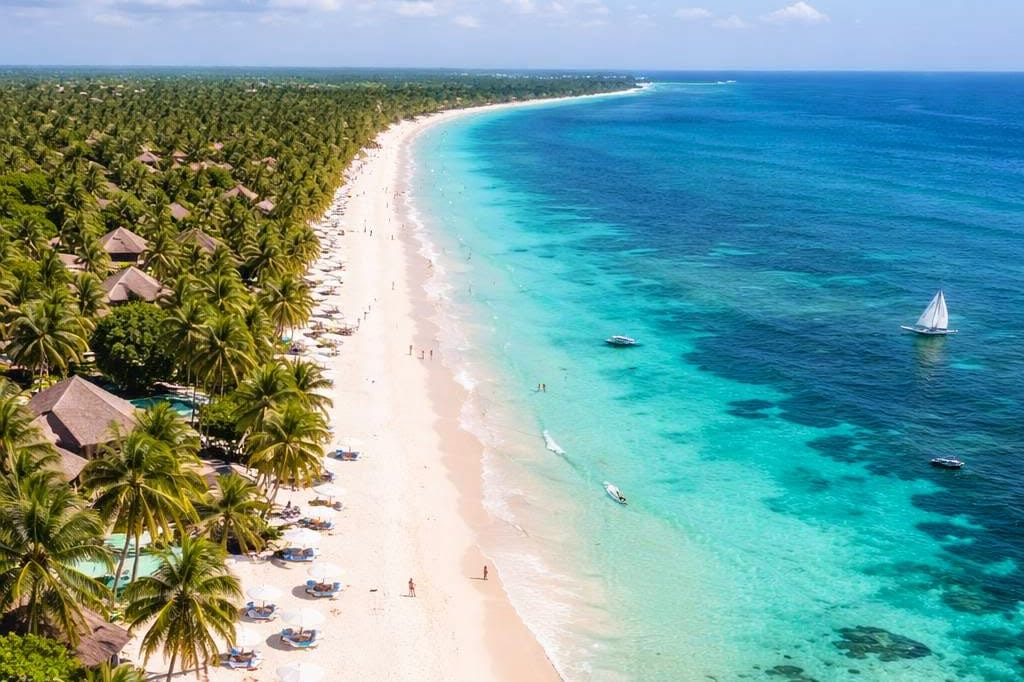
Coast & Beach Escape
Swahili towns, coral reefs and barefoot days after the safari.
Wildlife you can expect
Pack light, neutral clothing, a hat, sunscreen and binoculars. Kenya sits on the equator but altitude means warm days and genuinely cool evenings.
Prime wildlife viewing. Warm days, cool nights, open country.
Lush landscapes, fewer vehicles, excellent photography.
Another golden window — green country, strong game viewing.
Green scenery, great birding and the best value of the year.
Before you go
Weather & Climate
Resting on the equator, Kenya is warm year-round, with daytime temperatures typically 20–28°C. The coast is warmer still, while altitude weaves a rich tapestry of climates inland.
Visas
Travellers apply for an Electronic Travel Authorisation (eTA) before arrival. Our travel concierge guides you through the process.
Health insurance
All foreign visitors must buy Kenya's Mandatory Inbound Travel Health Insurance (USD 44 per person) as part of the eTA application. EAC citizens, Kenyan residents and children under three are exempt. It doesn't replace your own travel insurance.
Vaccinations
Kenya lies within Africa's yellow fever zone; vaccination isn't mandatory but seek guidance from your healthcare provider. Malaria is found on the coast and below 1,800 m — consult your provider well in advance.
Family friendliness
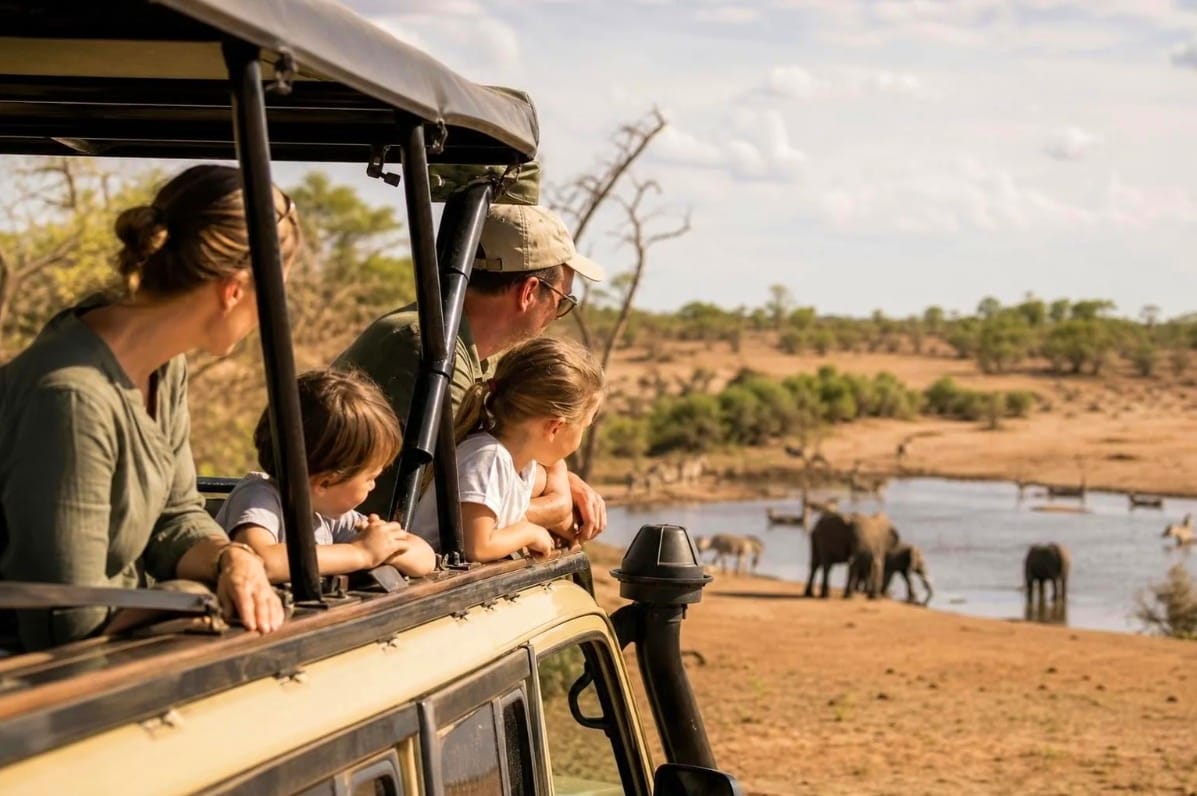
Kenya is one of Africa's most family-friendly safari destinations, with interconnecting rooms, children's programmes and activities built around younger travellers.
Safety
A well-established tourism industry that prioritises visitor safety. Our itineraries focus on regions known for security and hospitality, with 24/7 support throughout.
 From $6,000 PPS
Kenya
 From $14,635 PPS
Kenya
 From $16,000 PPS
Kenya
 From $11,000 PPS
Kenya
 From $18,546 PPS
Kenya
 From $15,000 PPS
Tanzania
 From $12,000 PPS
Tanzania
The questions we're asked most. Anything else, just ask us directly.
The spectacle of the Great Wildebeest Migration is often simplified into a neatly drawn loop between Tanzania’s Serengeti and Kenya’s Maasai Mara, suggesting a predictable, calendar-based journey from south to north and back again. According to this popular narrative, the herds typically begin their dramatic entrance into Kenya around July, remain in the Maasai Mara through September, and then return to Tanzania as the rains shift.
But nature is rarely so orderly. The truth is, the Migration is an ever-changing phenomenon—governed by rainfall, the availability of fresh grazing, and instinctual movement rather than dates on a calendar. While the Mara is generally teeming with wildebeest from mid-July through late September, variations in climate and vegetation can cause the herds to arrive early, linger longer, or shift paths entirely.
Rather than viewing the Migration as a strict schedule, it’s more accurate (and rewarding) to see it as a rhythm—an awe-inspiring pulse of nature that beats to its own drum. The heart of the action in Kenya unfolds along the Mara River, where dramatic river crossings provide some of the most thrilling scenes in the natural world: thousands of wildebeest and zebra plunging into crocodile-filled waters in pursuit of greener pastures, while predators stalk the chaos from the banks.
To truly appreciate the scope and dynamism of this event, we recommend planning with flexibility in mind—and with a trusted DMC like Out2Safari, who can guide you to the right locations at the right time.
The Maasai Mara stands as one of the most iconic wildlife destinations in all of Africa—and, in our view, it doesn’t get better than this. While a three-night stay is the bare minimum to appreciate its magic, you could comfortably spend up to a week here, especially if you split your time between distinct regions such as the Mara North and Naboisho Conservancies.
And it’s not all about game drives. Your time in the Mara can be as varied as it is unforgettable—with guided bush walks, immersive cultural experiences, and even horseback safaris available at select camps and lodges. Let us help your tailor the perfect stay to suit your sense of adventure.
Absolutely. Kenya remains one of Africa’s premier and safest safari destinations, especially when your journey is curated and managed by an experienced destination management company like Out2Safari Ltd. With a deep local presence, trusted partnerships, and 24/7 support, we ensure that every detail of your trip is executed flawlessly, leaving you free to enjoy the adventure with complete peace of mind.
From the moment you arrive, all logistics—airport transfers, lodge transitions, domestic flights, and guided excursions—are seamlessly handled by our vetted professionals. Our team and trusted service providers are handpicked for their excellence, reliability, and commitment to safety. We regularly evaluate client feedback to ensure our guests consistently receive world-class service, comfort, and security.
Safety in Urban Centers
If your safari includes a stop in Nairobi or other urban centers, you may have some time to explore independently. While Kenya's cities are generally welcoming, as in any global metropolis, petty crime can occur. We advise travelers to remain alert, avoid walking alone at night, limit displays of valuables, and use trusted, pre-arranged transport rather than public or unregistered taxis. Out2Safari provides a 24/7 concierge and local emergency contact should you ever need assistance.
Wilderness Safety: Your Guides Are Your Best Safeguard
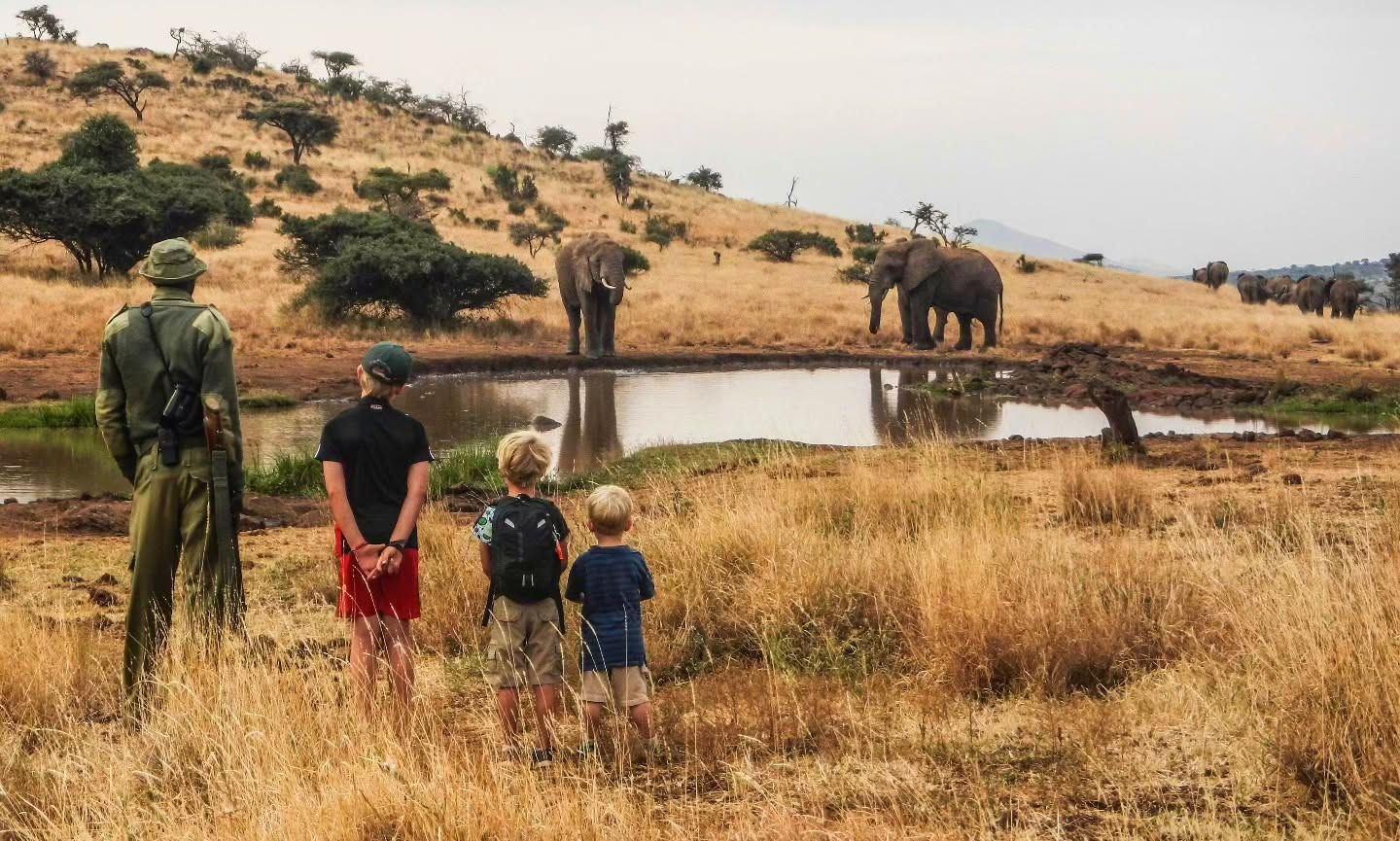
Out in the wild, your safety is our top priority. Our professional guides are certified, highly trained, and deeply familiar with the terrain and animal behavior. Guests are always given detailed safety briefings—especially when participating in walking safaris, horseback rides, or night drives. While game drives are conducted in custom safari vehicles that provide a secure vantage point, private conservancies may also allow guided walking safaris or other immersive activities under the care of an armed ranger.
Many of the luxury properties we work with, especially in conservancies, are unfenced. This allows for spectacular, spontaneous encounters with wildlife—such as elephants visiting the camp's watering hole or zebras grazing nearby. For added safety, guests are often escorted after dark by experienced staff or Maasai warriors.
Without a doubt—Kenya is one of the most welcoming safari destinations for families. In fact, it’s among our top recommendations for parents traveling with children of all ages. Many lodges and camps cater specifically to families, offering interconnecting rooms or private villas that feel like your own safari home in the wild.
The private conservancies really shine for families, offering unmatched flexibility, personalized service, and plenty of family-focused perks. Imagine swimming pools, engaging kids’ programs, childminders, wildlife “bumbles” (short game drives tailored for little explorers), scavenger hunts, and more—all designed to keep young minds curious and entertained.
With your own private guide and vehicle, you can shape each day around your children’s rhythms—whether that means shorter game drives, midday siestas, or spontaneous nature walks. And since conservancies aren’t bound by the same strict rules as national parks, kids have a bit more space to move, explore, and connect with nature beyond the confines of a safari vehicle.
Curious what a family safari is really like? Our family travel experts have taken their own children on safari and are happy to share their experiences, insights, and tips for an unforgettable adventure.
For most international travelers, especially those coming from Europe or North America, the ideal point of entry is Jomo Kenyatta International Airport (NBO) in Nairobi. As East Africa’s busiest hub, it’s well connected to major global cities and serves as the perfect springboard for your Kenyan adventure.
After landing, you can unwind with an overnight stay in one of Nairobi’s stylish hotels before catching a short domestic flight to your safari lodge or coastal retreat the next morning. With efficient local airlines and seamless transfers, getting from arrival gate to game drive (or beach lounger) is easier than you might expect.
Travelers to Kenya must apply for an electronic travel authorization (eTA) before arrival, replacing the older e-visa system. The process is quick, completed online, and costs around $30–$50 depending on the issuing country's regulations.
Passports must be valid for at least six months beyond your arrival date and contain at least two blank pages. If you're also visiting neighboring countries like Uganda or Rwanda, consider applying for the East African Tourist Visa, which allows multi-country access for 90 days.
All foreign visitors travelling to Kenya are required to purchase Mandatory Inbound Travel Health Insurance as part of the Electronic Travel Authorisation (eTA) application process. The requirement was introduced through Gazette Notice No. 11492 of 2026, issued by the Cabinet Secretary for Health.
Who it affects: foreign visitors staying in Kenya for less than 12 months and entering through airports, seaports and land borders. Citizens of the East African Community (EAC), Kenyan residents and children under the age of three are exempt. Travellers applying for a new eTA are currently required to purchase the insurance through the eTA application before they can complete and submit it.
What it covers: benefits of up to USD 50,000 per person, including medical expenses (up to USD 20,000), emergency medical transportation (up to USD 25,000), prescribed medicines (up to USD 300), mental illness (up to USD 1,000) and repatriation of mortal remains (up to USD 5,000).
Where to buy it and what it costs: through the official Kenya eTA portal, at USD 44 per person plus applicable system charges, paid during the eTA application. It can also be bought on arrival in Kenya by scanning the designated QR code. The policy is valid for one year.
If you already have an eTA: you are still required to obtain the insurance, which can be purchased through the Kenya eCitizen portal.
Your own travel insurance: this requirement is separate from any personal travel insurance you hold. Keep your own comprehensive cover, and buy the mandatory insurance even if you already have comprehensive travel insurance from your home country.
What you need to apply: the information the eTA application asks for, including passport information, travel dates, purpose of travel and basic personal details.
Yes, malaria is present in parts of Kenya, particularly in lower-altitude regions below 2,500 meters (approximately 8,200 feet) above sea level. This includes many of the country’s popular safari and coastal destinations such as the Masai Mara, Tsavo, Lake Victoria region, and the Indian Ocean coast. Areas like Nairobi and the highlands surrounding Mount Kenya, however, carry a much lower risk due to their elevation.
The risk tends to increase during Kenya’s rainy seasons—from March to May (long rains) and November to December (short rains)—when mosquito populations thrive due to stagnant water and warmer temperatures. While the overall incidence of malaria has been declining in recent years thanks to public health efforts, travelers are still advised to take precautions.
The U.S. Centers for Disease Control and Prevention (CDC), along with the World Health Organization (WHO), recommend malaria prophylaxis for travelers visiting higher-risk areas. Common preventive medications include Malarone (atovaquone-proguanil), doxycycline, or mefloquine—each with its own dosage and suitability depending on your health profile and travel itinerary.
Sleep under insecticide-treated bed nets (most luxury lodges provide them).
Apply mosquito repellent with DEET or picaridin to exposed skin.
Wear long-sleeved clothing in the evenings and early mornings.
Stay in accommodations with screened windows or air conditioning.
As always, consult a travel medicine specialist or your doctor at least 4–6 weeks before departure to determine the most appropriate preventative measures based on your route and personal health. With proper preparation, malaria risk can be effectively managed—ensuring your safari remains a safe and unforgettable adventure.
While overland travel in Kenya is technically possible—thanks to a network of highways connecting key regions—it’s not the most comfortable or time-efficient option. You’ll often find long road transfers featured in budget safari itineraries, but for those seeking a seamless, elevated experience, we strongly recommend flying.
After a long international journey, most travelers are understandably eager to minimize additional hours in transit. Road journeys between parks can be long, bumpy, and unpredictable, often stretching for hours on uneven terrain—before you even begin your actual game drives, which also involve plenty of time on rugged tracks.
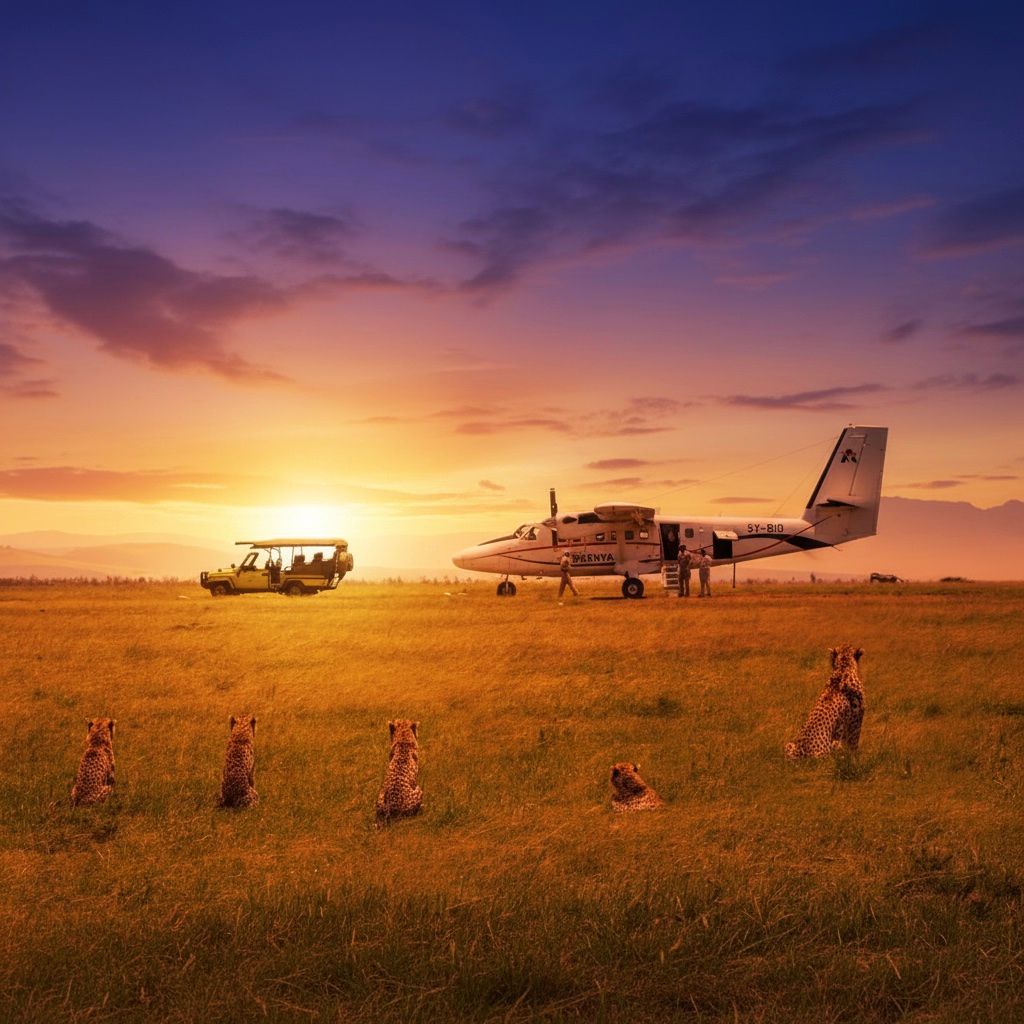
Thankfully, most major parks and conservancies are serviced by well-maintained airstrips and reliable light aircraft. These scenic bush flights—typically on 6- to 12-seater planes—are surprisingly affordable and dramatically reduce travel time. For example, the drive from Nairobi to the Maasai Mara takes upwards of five hours on a good day; by air, you’ll be there in just over an hour, with stunning aerial views along the way.
In short, flying within Kenya isn’t just a matter of convenience—it’s a more refined, comfortable, and memorable way to explore this extraordinary country.
Choosing between Kenya and Tanzania for your East African safari can feel like splitting hairs—both countries are extraordinary in their own right, offering unforgettable wildlife encounters and front-row seats to the Great Migration. The good news? You don’t have to choose just one.
Kenya offers a unique tapestry of safari experiences spread across national parks, reserves, and private conservancies. These conservancies—privately or community-managed lands dedicated to conservation—are a particular gem. They work hand-in-hand with local communities, limit visitor numbers, and allow for exclusive activities like guided bush walks, night game drives, and off-road adventures that aren’t typically permitted in national parks.
Tanzania, by contrast, is renowned for its vast expanses of protected wilderness. Nearly 40% of the country is set aside for conservation—one of the highest percentages in the world. Most of its iconic destinations, including the Serengeti, Ngorongoro Crater, and Tarangire, fall within national parks. While these areas are breathtaking, national parks are subject to strict regulations: limited hours, no night drives, and no walking safaris outside designated zones.
From a traveler’s standpoint, Kenya often offers greater flexibility. With its well-developed infrastructure, excellent flight connections through Nairobi, and long-established tourism industry, it’s easier to navigate and tailor your experience. The cultural richness of the Maasai and Samburu communities adds another dimension to your journey, while the Maasai Mara remains unmatched for consistent, high-quality game viewing.
Tanzania’s allure lies in its raw, epic landscapes and classic safari icons. For many, the combination of Mount Kilimanjaro, the endless Serengeti plains, and the ancient Ngorongoro Crater is simply irresistible. And if your adventure ends with a beach escape, Zanzibar’s white sands and Swahili charm are hard to beat. Tanzania also offers experiences unavailable in Kenya—like chimpanzee trekking in the remote Mahale Mountains.
That said, travel within Tanzania can be slower and a touch more expensive, particularly in remote regions.
The best news? Kenya and Tanzania combine beautifully. With direct bush flights linking the Maasai Mara and Serengeti, it’s easier than ever to explore both in a single, seamless itinerary—giving you the best of both worlds.
There’s truly no wrong time to experience the magic of a Kenyan safari—but certain months do offer specific highlights. For those chasing the drama of the Great Migration, the dry season—particularly July through September—is considered prime time. This is when the vast herds of wildebeest and zebra surge into the Maasai Mara, closely trailed by predators in thrilling pursuit. If you’re hoping to witness a heart-pounding river crossing, this is your window.
That said, Kenya’s wildlife is spectacular year-round, and there’s something special about traveling outside of the peak months. The so-called "secret season"—marked by fewer visitors and occasional short rains—transforms the landscape into a lush, green paradise, perfect for photography and intimate game-viewing experiences. Resident wildlife remains active, and with fewer vehicles on the plains, your time in the wild feels even more personal.
Ultimately, the best time to visit depends on what kind of safari experience you’re after—thrilling spectacles, peaceful seclusion, or a touch of both. And with Kenya’s diverse ecosystems and rich year-round biodiversity, the adventure never really stops.
Thanks to its equatorial location, Kenya enjoys relatively stable temperatures throughout the year. Daily highs in the warmer months tend to sit comfortably in the low 80s°F (around 27°C), while cooler months hover in the mid-70s°F (around 24°C). Rather than dramatic seasonal swings, it’s more practical for travelers to consider Kenya’s climate in terms of wet and dry seasons—as well as the elevation of the areas they’ll be exploring.
Dry Seasons (Yes, There Are Two): Kenya typically experiences two main dry spells—June through October, and again from December to February. These periods offer sunny skies, lower humidity, and excellent conditions for game viewing, particularly in open savanna landscapes.
Green Season / “Secret Season”: Kenya’s wettest months fall between mid-March and May and again in November. The long rains usually occur in April and May, bringing the highest rainfall and a dramatic transformation of the landscape into a lush, green canvas. November’s short rains are gentler, typically arriving in quick bursts—often in the late afternoon or evening—and are less disruptive than one might expect.
Don’t let the mention of rain deter you. Wet season safaris can be incredibly rewarding: fewer crowds, vibrant scenery, dramatic skies, and more affordable travel rates. Rain showers often pass quickly, allowing plenty of time for wildlife viewing and exploration between downpours.
Most safari destinations in Kenya are remote, with limited access to healthcare facilities. That’s why all Out2Safari clients are covered by AMREF Flying Doctors evacuation insurance, which ensures access to medical care in the event of an emergency.
We recommend all travelers visit a travel medicine clinic prior to departure. Bring sufficient supplies of any personal medication, and consider vaccinations recommended by the CDC or WHO. Kenya is in a malaria-risk zone, particularly at altitudes below 2,500 meters. Antimalarial medication, protective clothing, and insect repellent are advisable for most travelers.
Vaccines such as Yellow Fever may be required if you're arriving from or transiting through certain countries or traveling on to destinations that require proof of vaccination. Please consult with your healthcare provider regarding what’s appropriate for your itinerary.
Tell us what excites you
Every journey we design is built around the things you actually want to do. Tell us what those are and we'll shape the rest.