Best for
Migration, big landscapes, remote wilderness, bush and beach
Best time
Jun – Oct (dry season); Dec – Mar (calving in the south)
Capital
Dodoma — Dar es Salaam is the largest city
Languages
Swahili, English
Currency
Tanzanian Shilling (TZS)
From the Serengeti's endless plains to the Ngorongoro Crater and the quieter wilderness of the south, Tanzania is made for travellers who want scale, wildlife and a sense of true escape.
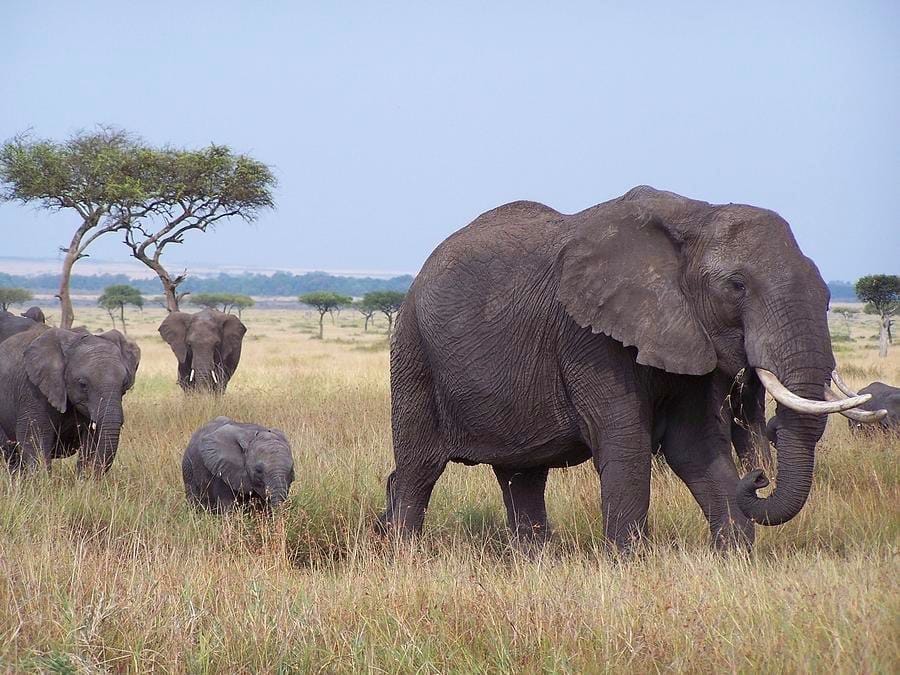
Nearly a third of Tanzania is under protection, and much of that wilderness is unfenced. It is the definition of scale — the Great Migration thundering across the Serengeti, an ancient caldera sheltering one of the densest concentrations of wildlife on Earth, and southern parks where you can go a day without seeing another vehicle.
From the baobab valleys of Tarangire to the wild rivers of the south and the spice-scented shores of Zanzibar, Tanzania carries the full spectrum of an East African journey.
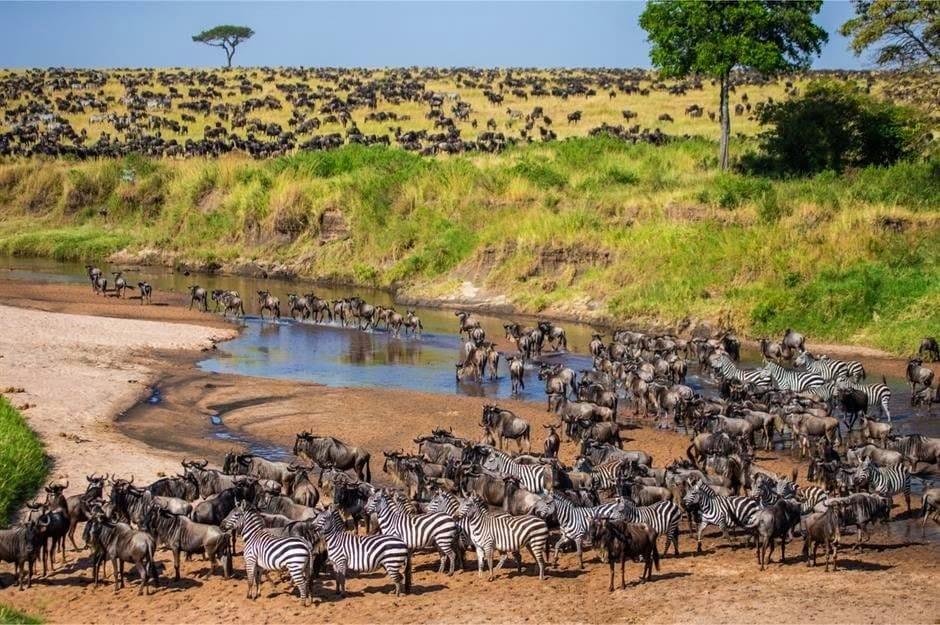
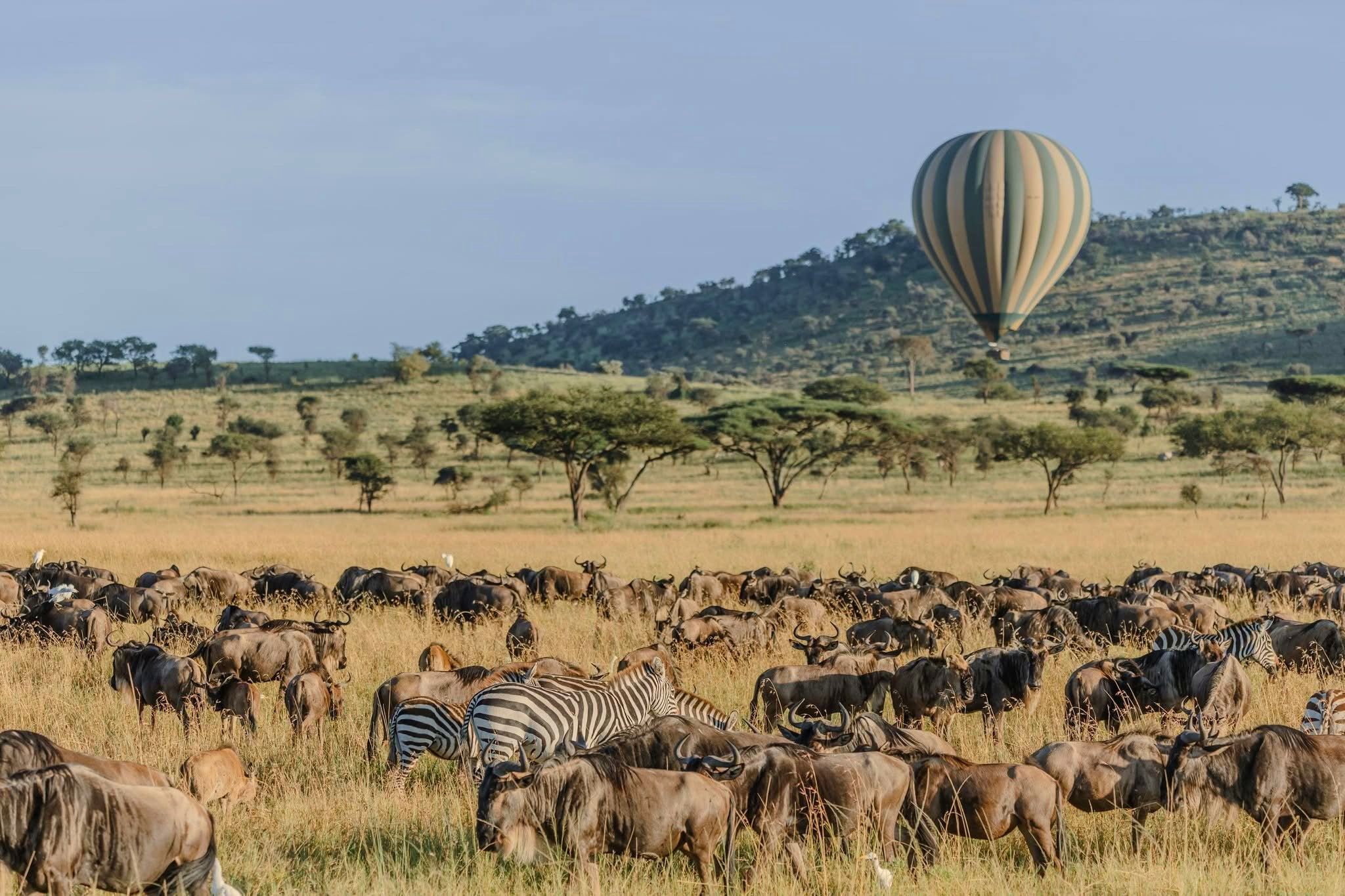
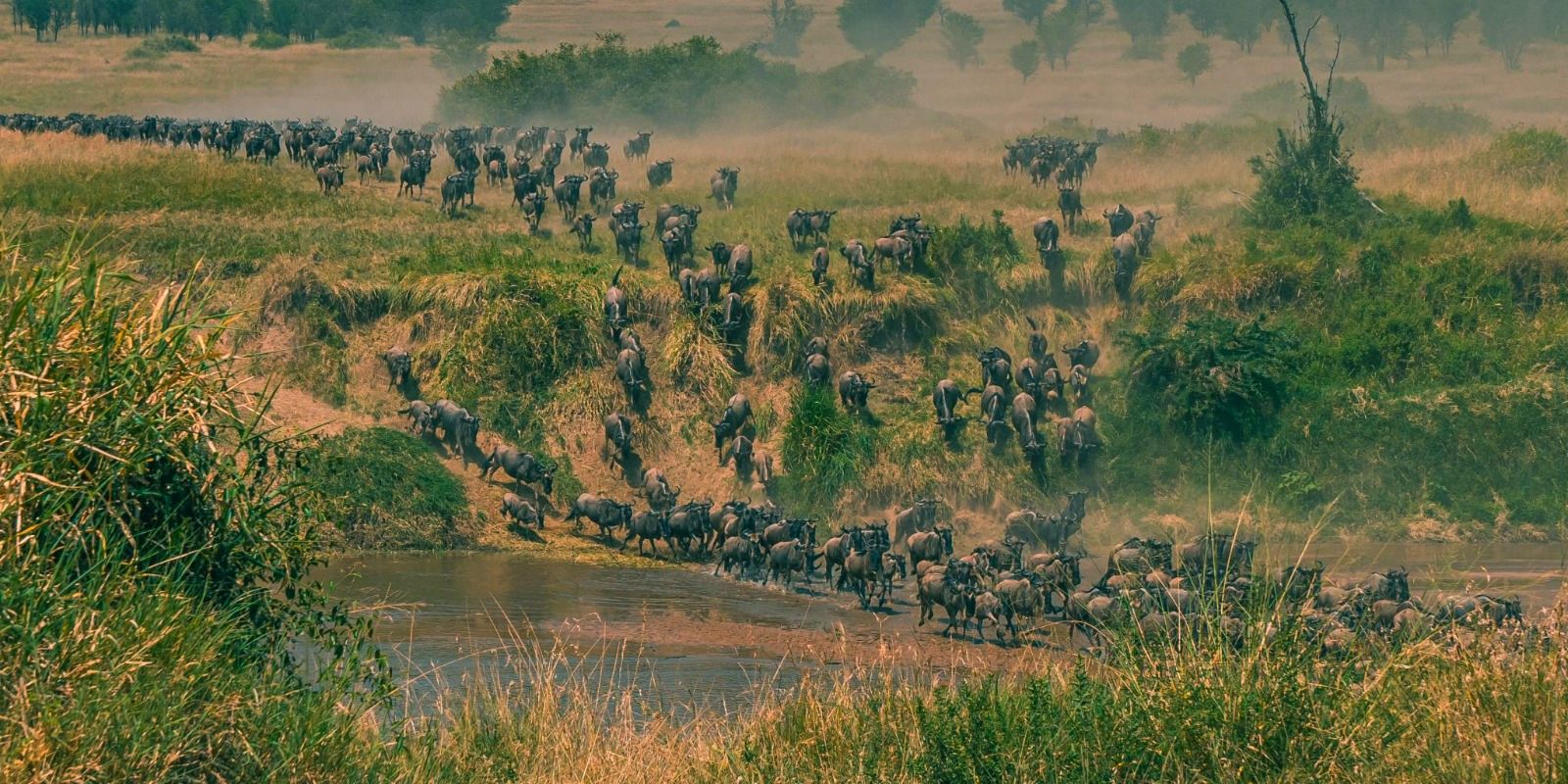
One of the world's great natural events, moving through the ecosystem all year.
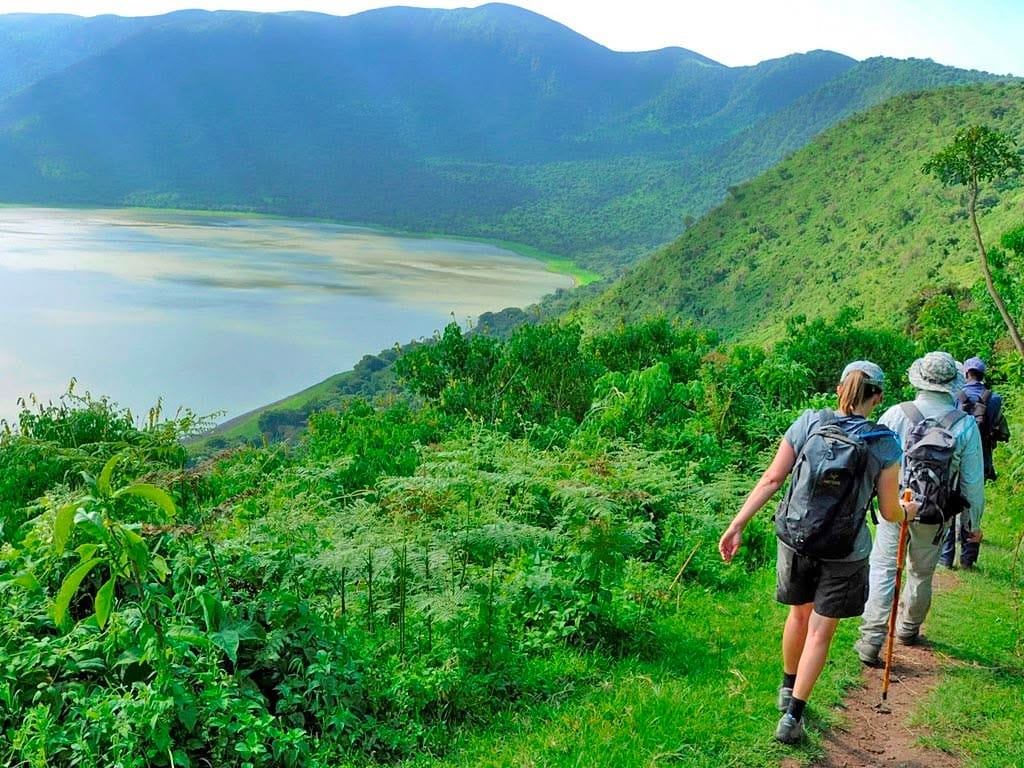
A collapsed caldera holding permanent water, grazing plains and wildlife year-round.
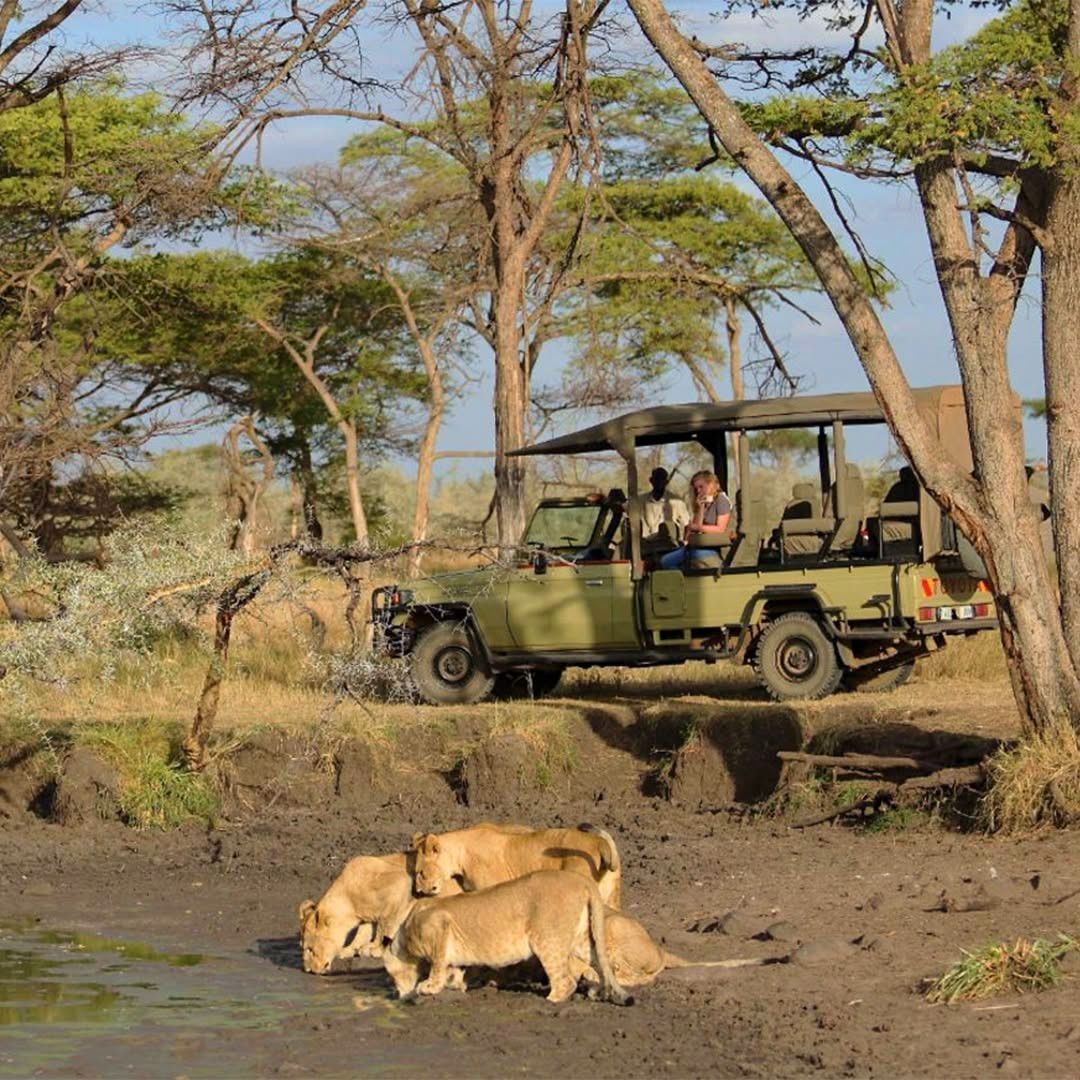
Ruaha and Nyerere — roadless country, big predators and near-total privacy.
“Tanzania is at its best when you give it time. Rather than rushing from one famous name to the next, we pair two or three regions that contrast in mood, landscape and pace.”
Our View
Out2Safari Safari Expert
Where to go
Each region of Tanzania offers a different safari. Open one to see what it's like on the ground.
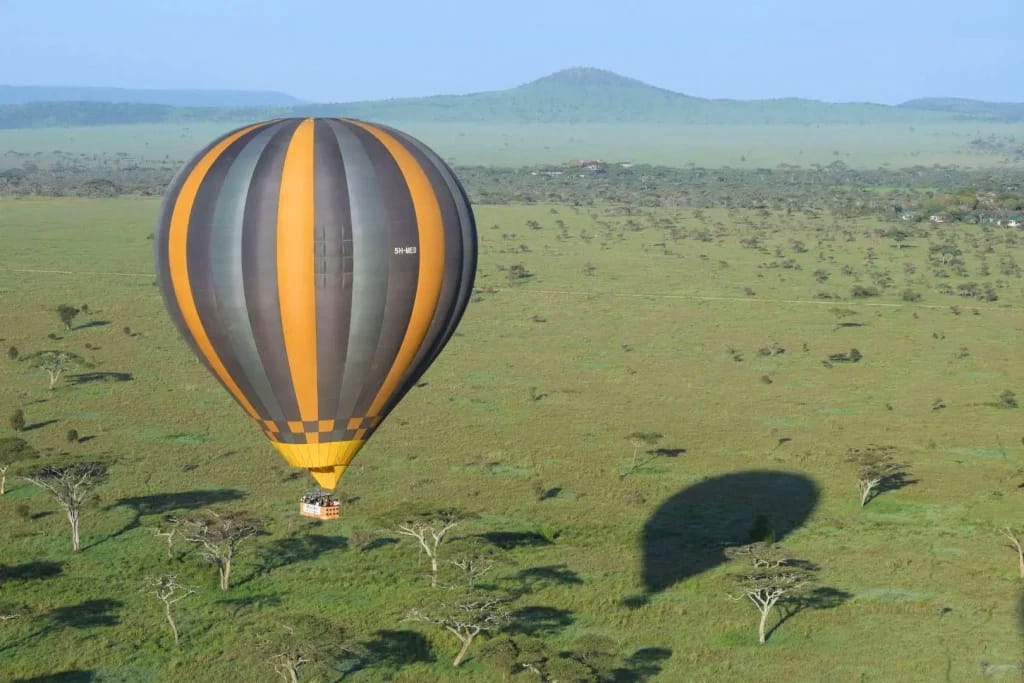
Endless Plains and the Great Migration
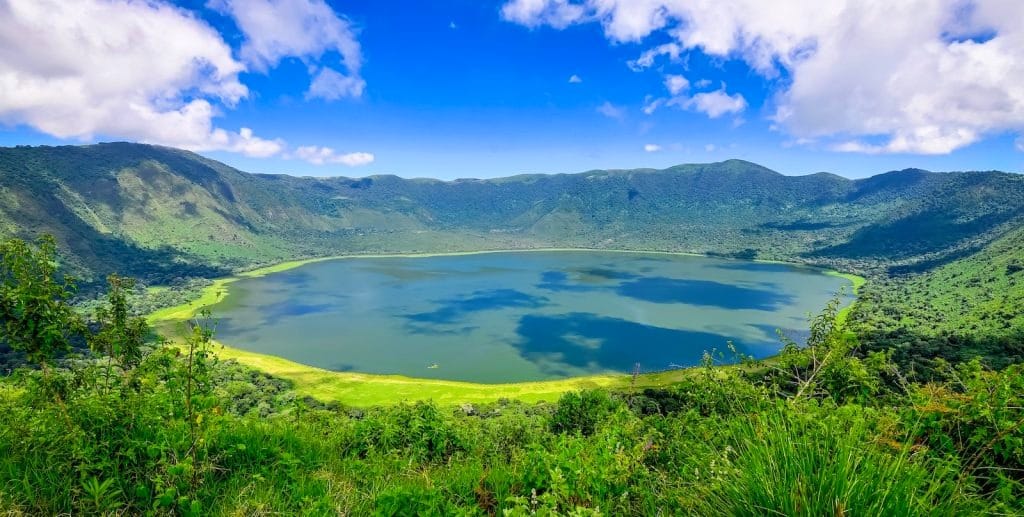
A World Within a Crater
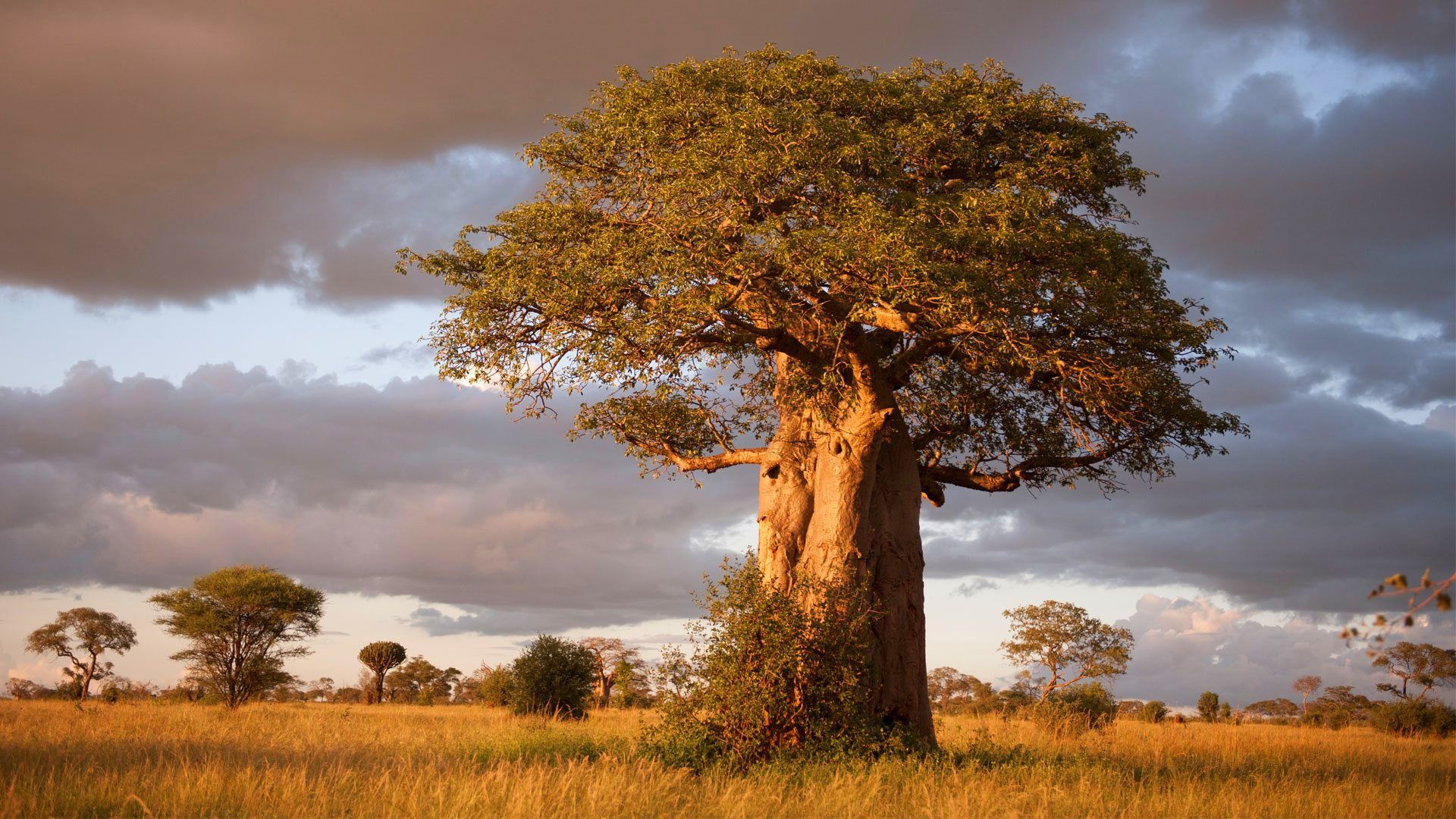
Land of Giants and Ancient Baobabs
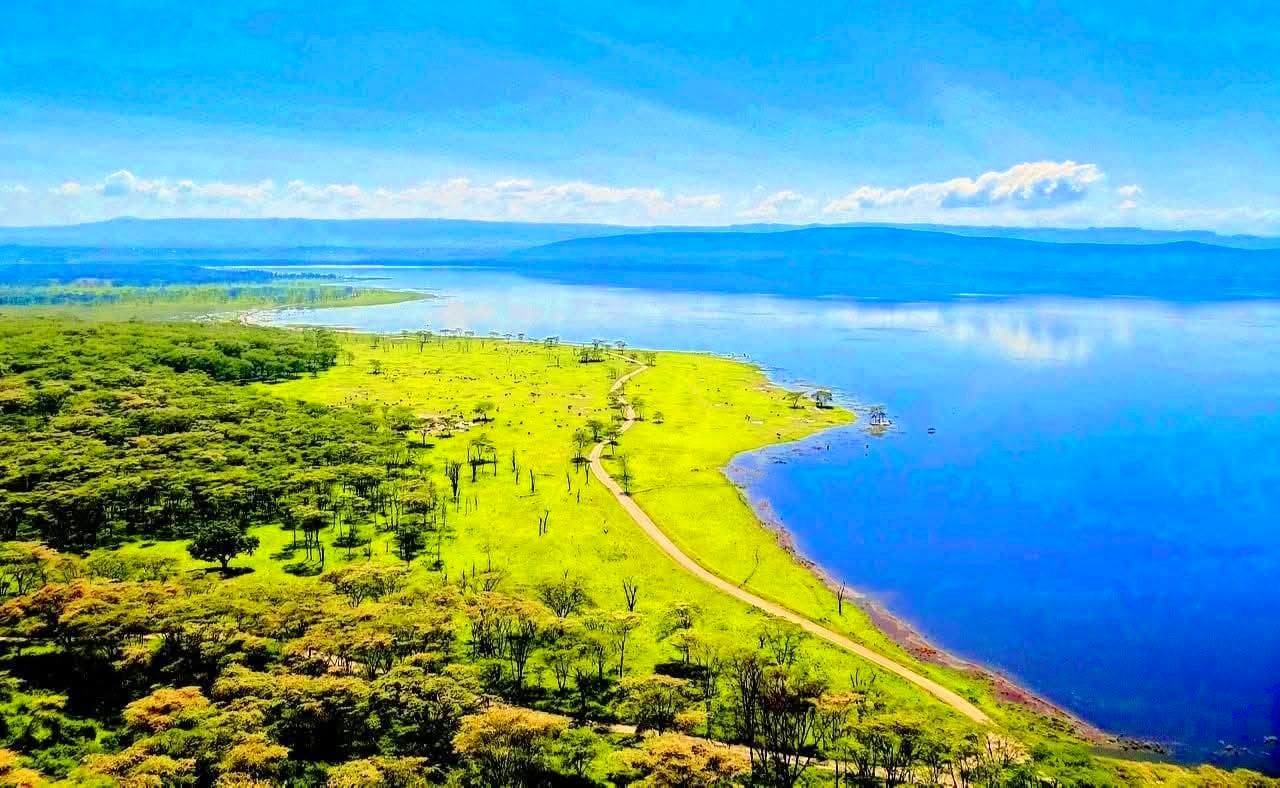
Small in Size, Rich in Contrast
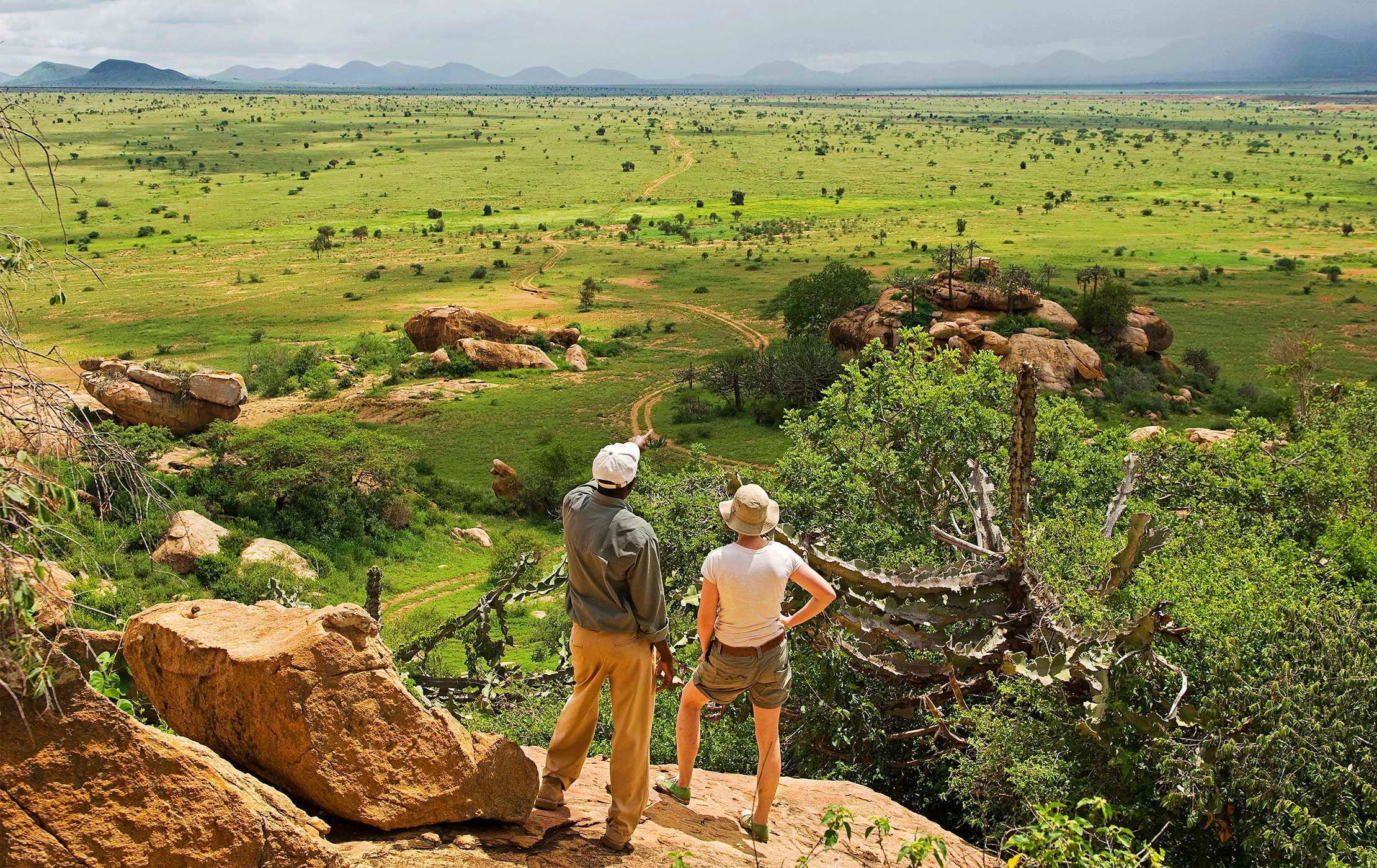
Tanzania's Wild and Remote Heart
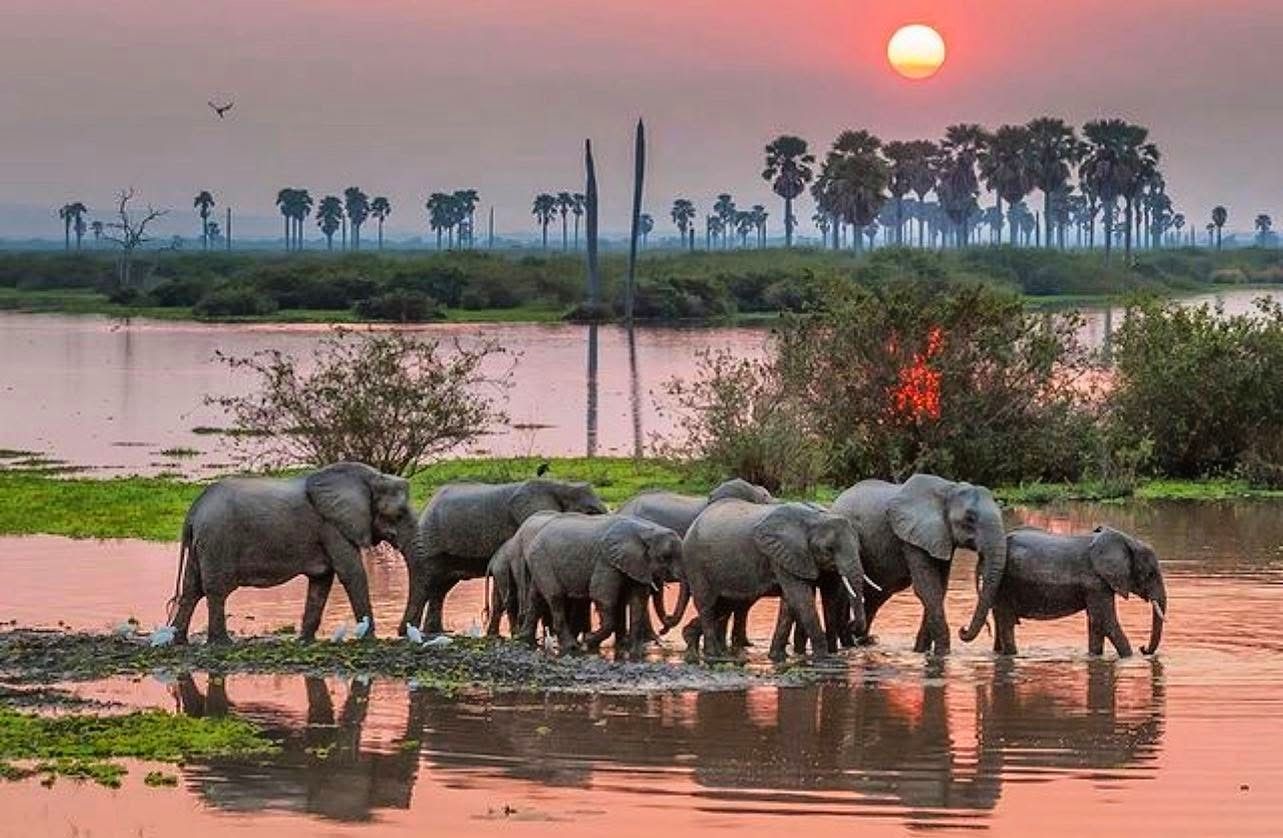
Wild Rivers and Endless Wilderness
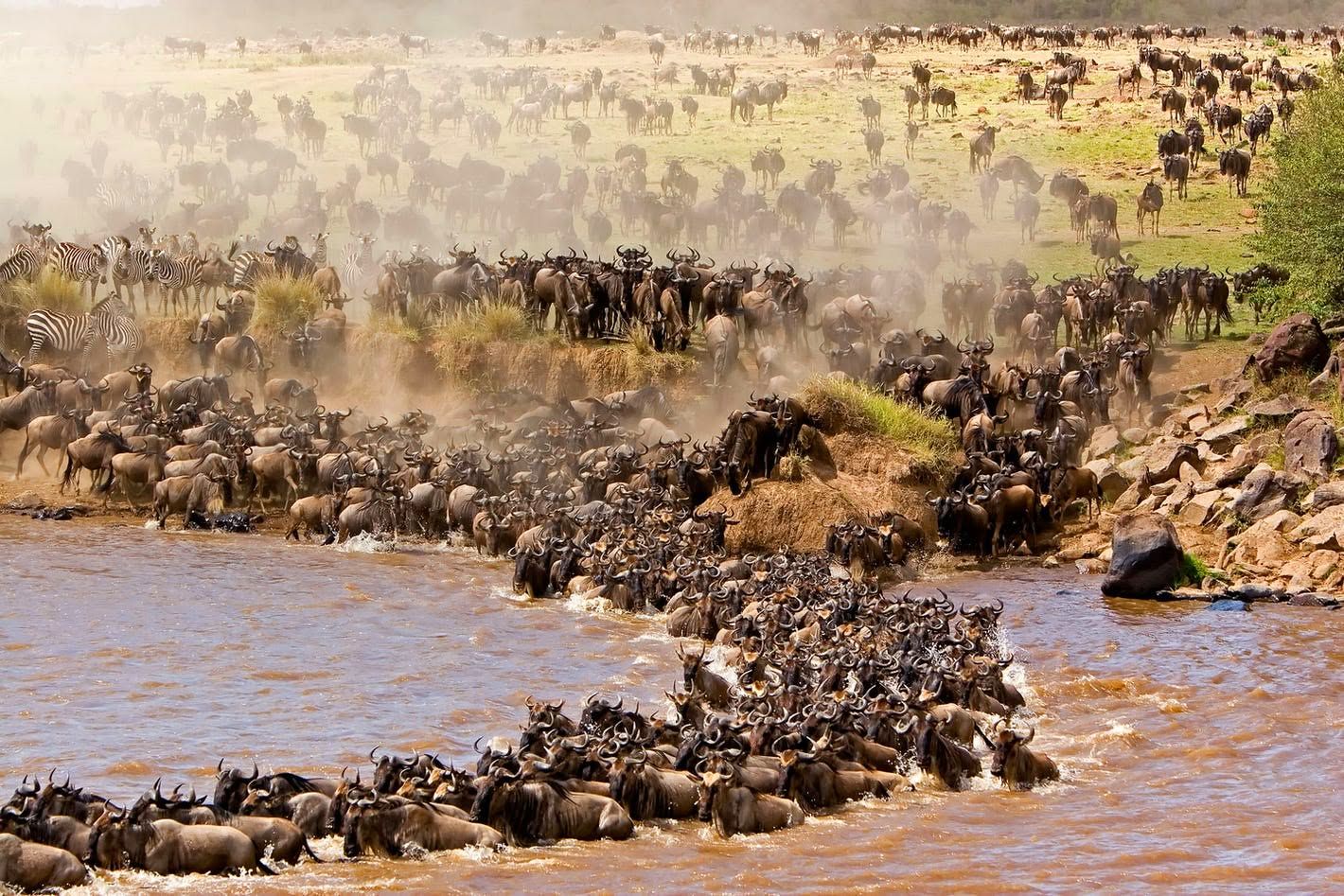
The Great Migration
Follow the herds and the river crossings through the ecosystem.
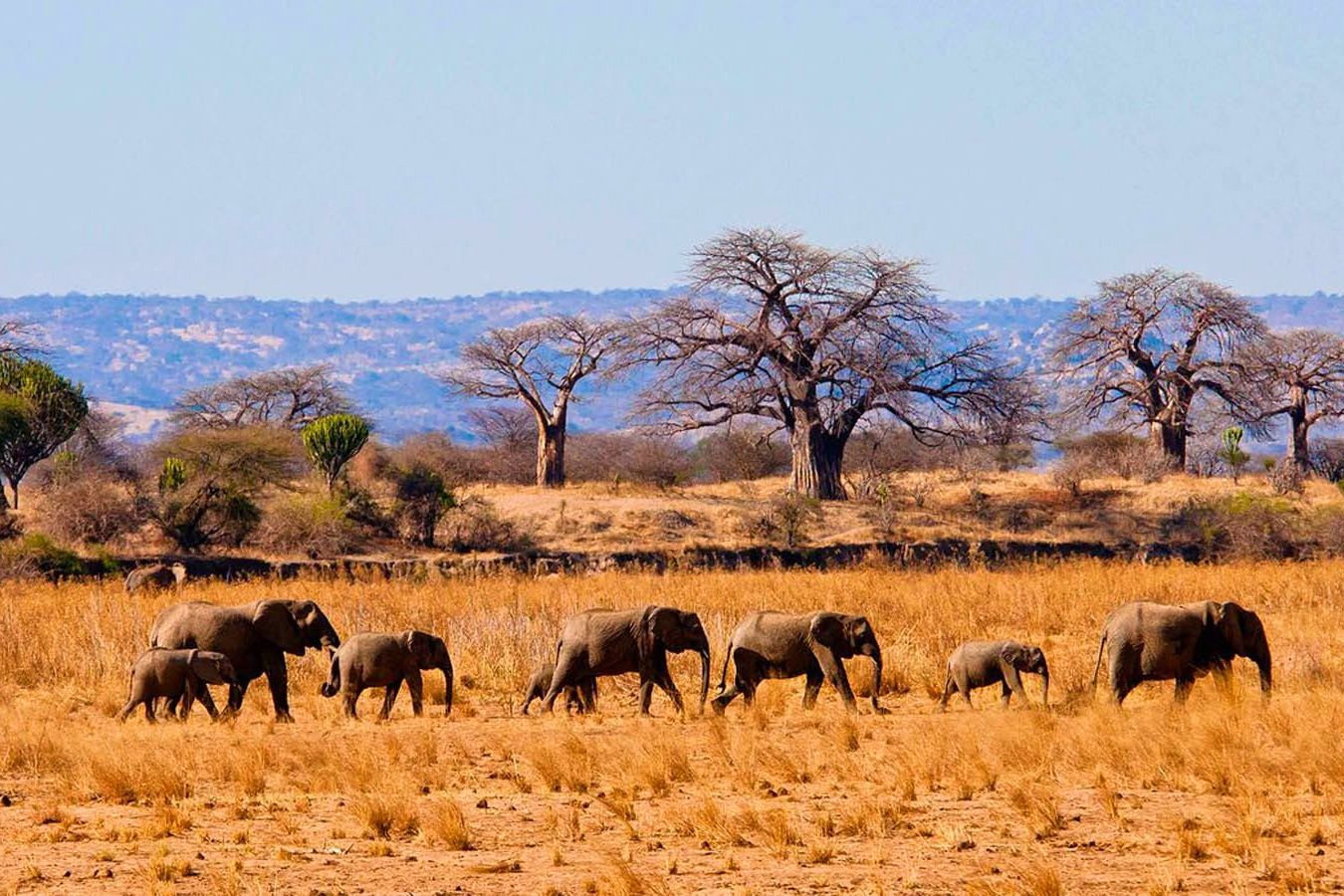
Remote safari
Escape the circuit entirely in Ruaha and Nyerere.
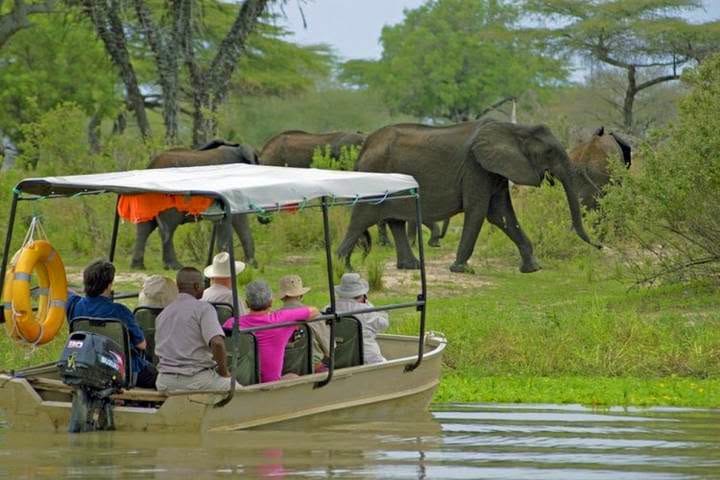
Boat safari→
Wildlife from the water along the Rufiji and the southern rivers.
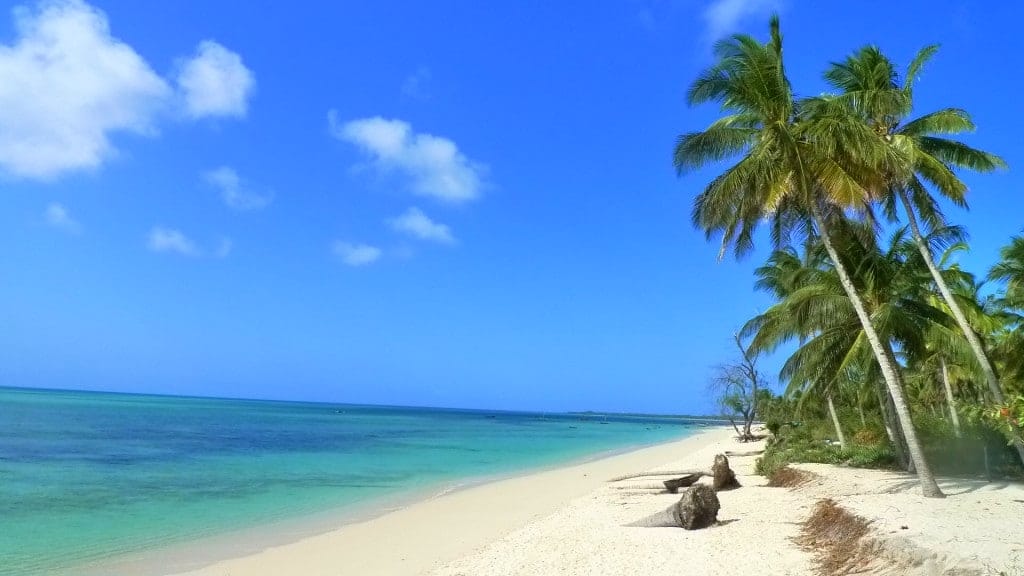
Bush and beach
Pair the plains with Zanzibar's reefs and white sand.
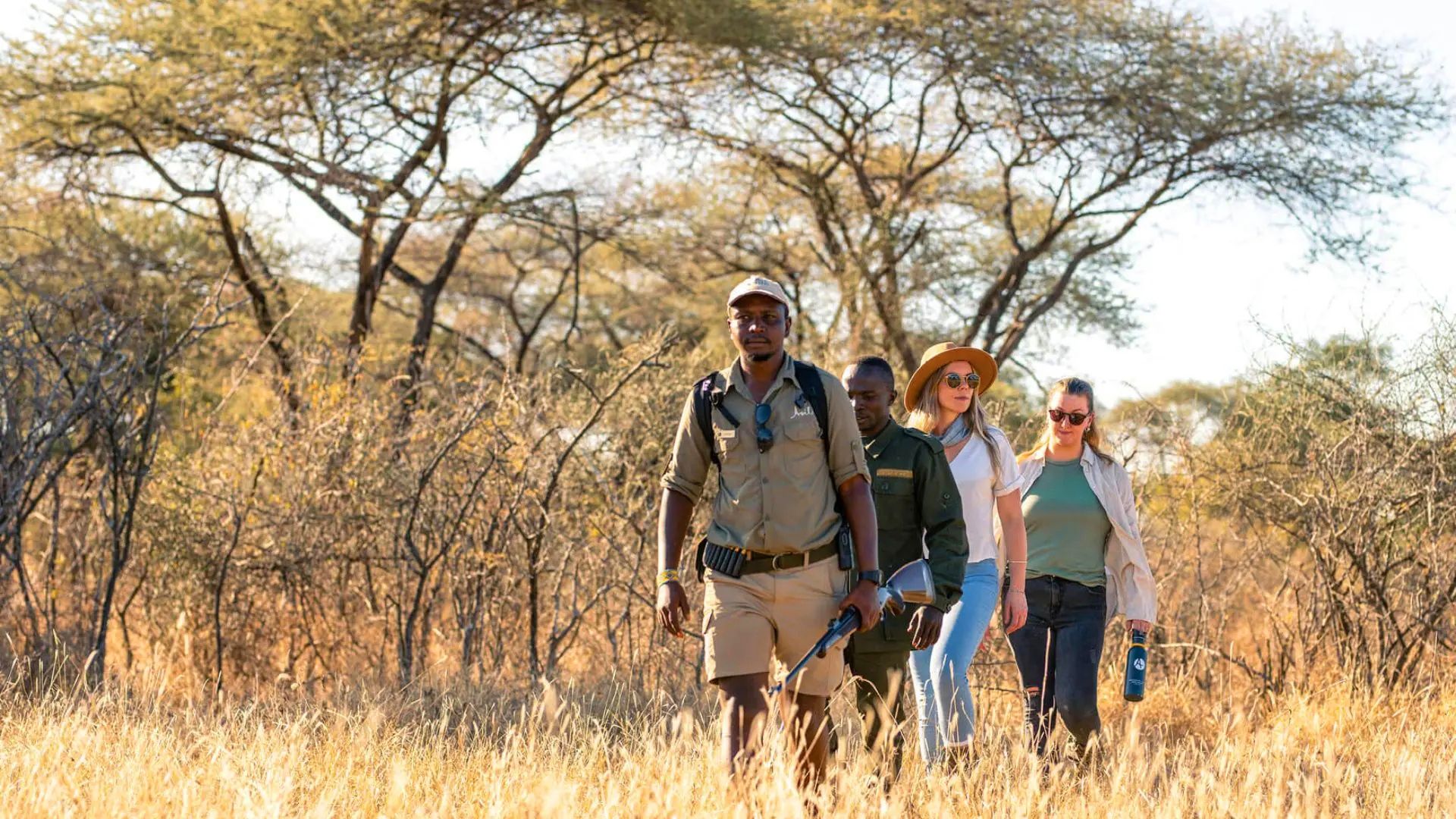
Walking safari→
Cover ground on foot with an armed guide and no vehicle noise.
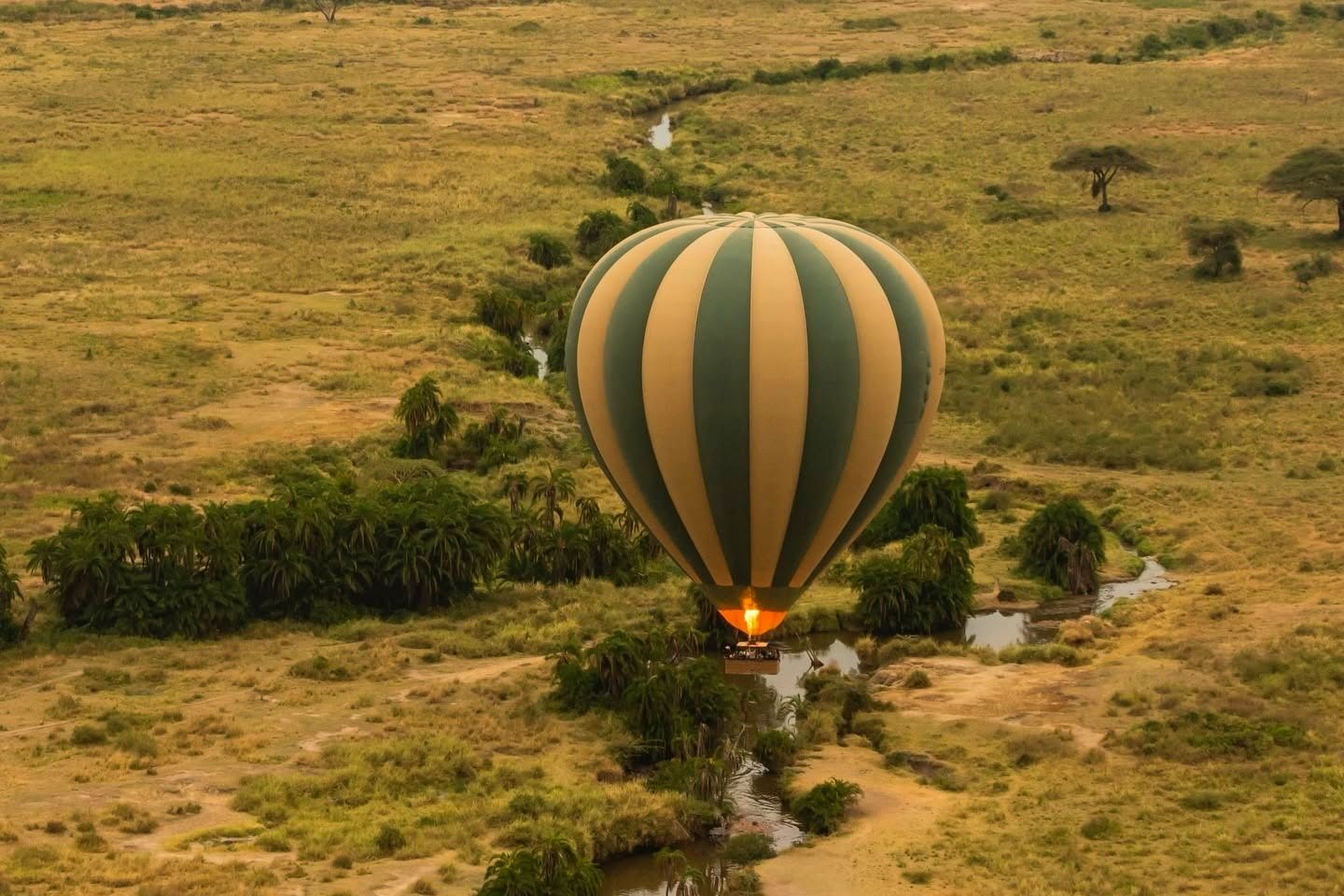
Balloon safari→
Sunrise over the Serengeti and a champagne bush breakfast.
Wildlife you can expect
Tanzania rewards time. Two or three regions that contrast in mood and pace beat a dash between famous names — and it combines beautifully with Kenya, Rwanda or Zanzibar.
Prime viewing. Cool mornings, warm days, river crossings in the north.
Short bursts of rain, lush landscapes and fewer crowds.
Calving in the southern Serengeti — predator action and newborns.
Heavier rain, quieter parks and beautiful green scenery.
Before you go
Weather & Climate
A blend of warmth and variation shaped by altitude. The coast is tropical and humid; western and southern regions are warm but drier; inland highlands are cooler, with genuinely chilly nights.
Visas
You need a visa to travel to Tanzania. Your dedicated travel concierge will guide you through the application process.
Vaccinations
Yellow fever and malaria precautions are recommended. Consult your provider well in advance, as some preventative treatments need to begin before you travel.
Family friendliness
A family-friendly safari destination, though the travel distances involved mean we generally recommend children aged six and above.
Safety
Tanzania is safe to visit, particularly on an organised safari. Close to a million travellers visit every year and the great majority of visits are trouble-free.
 From $14,635 PPS
Tanzania
 From $14,635 PPS
Kenya
 From $15,000 PPS
Tanzania
 From $12,000 PPS
Tanzania
 From $10,105 PPS
Tanzania
The questions we're asked most. Anything else, just ask us directly.
A luxury safari in Tanzania is an exquisite blend of adventure, comfort, and immersion in nature. The rhythm of each day revolves around expertly guided game drives—typically one at sunrise and another in the late afternoon—designed to coincide with peak wildlife activity.
As the sun dips below the horizon, you'll pause in a scenic clearing for sundowners, a cherished safari tradition—perhaps a classic gin and tonic in hand—as golden light floods the landscape. Evenings unfold in elegant style: enjoy a gourmet, multi-course dinner, whether shared communally under the stars, served privately on your veranda, or staged as a bush dinner in the wild.
After dark, the magic continues. Depending on your location, you might join a night game drive, relax beside a crackling fire, gaze up at a canopy of stars, or unwind in the sanctuary of your suite. Some camps even offer star beds, inviting you to sleep under the open sky with only the sounds of the bush around you.
While game drives are central, luxury safaris in Tanzania are rich with additional experiences. Soar above the Serengeti in a hot air balloon, explore on guided bush walks, or connect with local culture through community visits. Certain lodges also offer the chance to participate in conservation and wildlife research, giving deeper meaning to your time on safari.
For the adventurous, multi-day walking safaris offer a more primal, ground-level perspective. Accompanied by expert guides and supported by lightweight yet comfortable mobile camps, these journeys take you through untouched corners of the Serengeti or the highlands near Ngorongoro—places rarely reached by vehicle.
From dramatic landscapes to unforgettable wildlife moments, a luxury safari in Tanzania is as varied as it is breathtaking—where every detail is thoughtfully crafted for the discerning traveler.
Climbing Mount Kilimanjaro doesn’t require technical mountaineering skills—no ropes, harnesses, or climbing experience are needed. With a team of expert guides and porters to support you along the way, you’ll only need to carry a daypack with essentials like water and extra layers.
The real challenge lies not in the terrain, but in the altitude. As Africa’s highest peak and the world’s tallest freestanding volcano, Kilimanjaro rises to 19,341 feet (5,895 meters), and it’s the elevation—not the hike itself—that poses the greatest test.
Your physical fitness, the route you choose, and—most importantly—the time you allow for acclimatization will all influence your chances of reaching the summit. That said, altitude affects everyone differently, and there's no way to fully predict how your body will respond until you're actually on the mountain.
With the right preparation, a supportive crew, and a healthy respect for the mountain, summiting Kilimanjaro is an achievable and incredibly rewarding goal for many adventurous travelers.
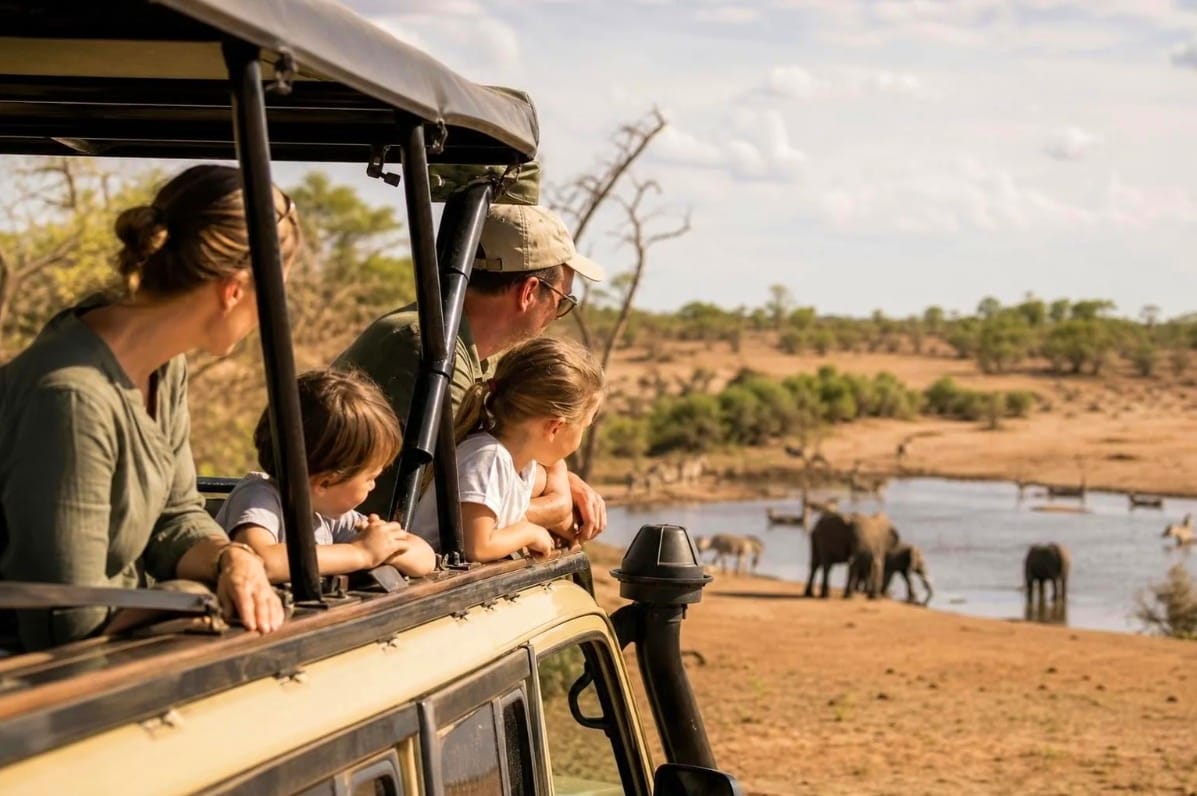
Absolutely—Tanzania offers an unforgettable experience for families. With its abundant wildlife, sweeping landscapes, and iconic Big Five sightings, it’s a destination where stories leap off the page and beloved wildlife characters come to life before your children’s eyes.
That said, safaris in Tanzania often involve extended game drives and remote camps, some of which may not feature swimming pools or offer a wide variety of structured kids’ activities. For this reason, we typically recommend Tanzania for families with children aged six and up, who are better able to appreciate the experience and adapt to its rhythm.
Traveling with younger children? It’s certainly possible—with the right planning. Some camps cater especially well to families with small children, offering shorter, more flexible excursions, childminding services, and tailored activities. If you're considering a safari with kids under five, we encourage you to speak with one of our family travel specialists—many of whom have gone on safari with their own toddlers and can offer firsthand insights and thoughtful recommendations to make the journey magical for all ages.
Yes, malaria is present in many parts of Tanzania. If you’re traveling to areas below 1,800 meters (5,905 feet) in elevation—which includes most safari regions—the CDC and other health authorities recommend taking anti-malarial medication as a preventive measure.
While the risk varies depending on location, season, and your travel itinerary, it’s always wise to consult your healthcare provider or a travel medicine specialist well in advance of your trip. In addition to medication, you can reduce your exposure by using insect repellent, sleeping under mosquito nets, and wearing long sleeves and trousers in the evenings.
With the right precautions, malaria prevention can be easily managed, allowing you to focus on enjoying your Tanzanian adventure.
For those heading to Tanzania’s famed Northern Circuit—including Serengeti National Park, Ngorongoro Crater, and Mount Kilimanjaro—your most convenient entry point is Kilimanjaro International Airport (JRO), located near the town of Arusha, the region’s main safari hub.
If your journey begins on the coast, Julius Nyerere International Airport (DAR) in Dar es Salaam is Tanzania’s largest and busiest international gateway. Travelers bound for the Indian Ocean’s white sands and spice-laden history will likely fly into Abeid Amani Karume International Airport (ZNZ) in Zanzibar, which offers both domestic links and a growing number of international connections.
Choosing the right airport depends on your itinerary—but rest assured, no matter where you land, adventure awaits.
When it comes to classic East African safaris, both Kenya and Tanzania deliver extraordinary wildlife experiences, rich cultural heritage, and breathtaking landscapes. Each country offers something distinct—and often, the best choice depends on your travel style, timing, and sense of adventure.
Kenya stands out for its ease of access and well-developed infrastructure, making it an excellent option for first-time safari-goers or those seeking a more seamless journey. The country’s deep-rooted Maasai and Samburu traditions also offer meaningful cultural interactions that many travelers find unforgettable. From the iconic plains of the Maasai Mara to the lesser-known beauty of private conservancies, Kenya excels in flexibility, diversity, and top-tier wildlife viewing.
Tanzania, on the other hand, is famed for its epic scale and raw wilderness. While travel logistics can be a bit more involved and costs slightly higher, the payoff is immense. The Northern Circuit—home to global icons like Mount Kilimanjaro, the Serengeti, and the Ngorongoro Crater—delivers a safari experience that feels both timeless and cinematic. For those drawn to dramatic scenery and remote expanses, Tanzania is hard to resist.
The best part? You don’t have to choose. With direct bush flights linking the Serengeti and the Maasai Mara, it’s never been easier to craft a cross-border itinerary that blends the best of both worlds—offering unparalleled game viewing, cultural depth, and landscapes that shift with every stop.
The Great Migration is often depicted as a tidy, clockwise loop across the Serengeti in Tanzania and the Maasai Mara in Kenya—suggesting a predictable route between May and December. If only it were that simple.
In reality, this natural spectacle is far more dynamic. While large herds of wildebeest, zebra, and other grazers generally move from Tanzania’s southern Serengeti (December to April) toward the northern reaches and Kenya’s Maasai Mara (May to October), the migration follows the unpredictable rhythms of rainfall and grass growth rather than a fixed schedule.
Think of the migration not as a rigid itinerary but as a living, breathing pattern shaped by the climate and terrain. While there are broad seasonal guidelines that can help travelers plan effectively, exact locations and timings shift from year to year.
The beauty of the Great Migration lies in its unpredictability—and with expert guidance, you can position yourself in the right place at the right time to witness its most dramatic moments, from calving season on the plains to thrilling river crossings teeming with tension and life.
A mobile safari camp is a semi-permanent, lightweight camp that relocates—typically once or several times a year—to position guests as close as possible to key wildlife movements, especially the Great Migration. These camps are strategically placed in pre-selected areas based on seasonal patterns, allowing travelers to stay near the heart of the action as herds shift in response to rain and fresh grazing.
While mobile camps are built for flexibility and minimal environmental impact, that doesn’t mean you’ll be sacrificing comfort. While you won’t usually find facilities like swimming pools, star beds, or spa treatment rooms, mobile camps offer a surprisingly high level of luxury in the bush.
You can expect well-appointed canvas tents featuring plush beds, ensuite bathrooms with hot bucket showers and flush toilets, and beautifully prepared meals served in intimate dining tents or open-air lounge areas. It’s a perfect balance between authentic wilderness immersion and refined safari comfort—ideal for travelers who want to feel closer to nature without giving up the essentials.
Peak Safari Season: Tanzania’s busiest months are July to October and December to February, aligning with the dry seasons. These periods offer prime conditions for wildlife viewing—vegetation is sparse, water is limited, and animals tend to gather around rivers and waterholes, making them easier to spot.
Green Season / Secret Season: For those seeking fewer crowds and vibrant landscapes, consider traveling in January to early March, May, November, or early December. You may encounter occasional light showers, typically at night, but the scenery is lush, and game viewing remains rewarding—especially in the Serengeti and Northern Circuit.
In western and southern Tanzania, the ideal window is June through October, when conditions are cooler and drier. Outside of this period, these regions can become hot, humid, and less accessible.
Rainy Season and Closures: The long rains arrive between mid-March and April, bringing heavier precipitation that can render some roads impassable and increase insect activity. During this time, many camps in the west and south temporarily close for the season.
The Great Migration: If witnessing the Great Migration is high on your wish list, timing is key. Head to the southern Serengeti from January to early March for the calving season, when newborns attract predators amid lush green backdrops. June to July offers a chance to catch the herds as they begin their journey northward, while late October to mid-December is excellent for spotting their return.
Do note: migration patterns are increasingly influenced by shifting weather systems, so herd movement can vary. We’ll guide you to the best camp locations based on your travel dates and desired experiences.
Climbing Mount Kilimanjaro: Tanzania’s iconic peak is accessible year-round, but for the best experience, we suggest avoiding the wettest months—November, April, and May—when trails can become slick and visibility is reduced.
{/* (Insert here the coloured months illustration showing the best time to visit Tanzania from the content we are replacing) */}
Yes—Tanzania is widely regarded as a safe and rewarding country for safari travel, especially when your journey is curated by an experienced and reputable operator. When working with a trusted safari specialist, every detail—from airport transfers to in-destination logistics—is thoughtfully arranged, ensuring a smooth and secure experience from start to finish.
With our network of vetted partners, you'll be in expert hands throughout your trip. Our team works only with top-tier guides, professional drivers, and camps that consistently maintain high standards of safety, hospitality, and equipment. Client feedback plays a critical role in our vetting process—we continually assess and refine our partner relationships to ensure your expectations are not only met, but exceeded.
Safety in Urban Areas
Be mindful of your surroundings
Keep valuables secure
Avoid walking alone at night
Steer clear of political gatherings or demonstrations
Use authorized, pre-arranged transportation
For peace of mind, your dedicated in-country support team is available 24/7—ready to assist with local advice, questions, or emergency concerns.
Safety in the Wilderness
Out on safari, you’re venturing into truly wild terrain, and while the experience is magical, it’s essential to follow your guide’s instructions at all times. Whether you’re on a game drive, a walking safari, or exploring the property, safety protocols are in place for your protection as well as that of the wildlife.
Game drives are typically conducted in custom safari vehicles, which provide both security and an excellent vantage point. More immersive activities such as walking safaris, chimpanzee trekking, or exploring unfenced properties may require extra precautions. These experiences are always led by highly trained professionals, often accompanied by armed rangers, and conducted under strict safety guidelines.
Many safari lodges and camps—especially in remote or private reserves—are unfenced to allow wildlife free movement. This creates opportunities for extraordinary encounters, such as elephants wandering through camp. However, it also means guests must be escorted to their tents after dark, often by local Maasai staff. While magical, this boundary-free design may not be suitable for very young children. Lodges will provide a full safety orientation on arrival.
Tanzania’s safari regions are remote, and access to advanced medical care may be limited. Most camps are equipped with basic first aid supplies and trained staff, but serious emergencies may require air evacuation. That’s why every journey with us includes AMREF Flying Doctors evacuation coverage for added peace of mind.
We also strongly recommend that travelers purchase comprehensive travel insurance, including coverage for medical evacuation and trip interruption. If you take regular medications or have a medical condition, bring an adequate supply and consult your physician well in advance of travel.
Much of Tanzania falls within a malaria risk zone, particularly areas below 1,800 meters (5,900 feet) in elevation. To minimize risk, the CDC advises travelers to take an antimalarial prophylactic, in addition to using insect repellent, wearing long sleeves in the evening, and sleeping under mosquito nets provided by your lodge. A healthcare provider can recommend the most effective medication for your personal health profile—note that Tanzania has demonstrated resistance to Chloroquine.
Additionally, ensure you are up to date on all routine vaccines, and speak with a travel health specialist about any other recommended immunizations.
With careful planning, expert guidance, and the right precautions, a safari in Tanzania can be both safe and extraordinary—an unforgettable journey through one of the most spectacular landscapes on Earth.
Tell us what excites you
Every journey we design is built around the things you actually want to do. Tell us what those are and we'll shape the rest.